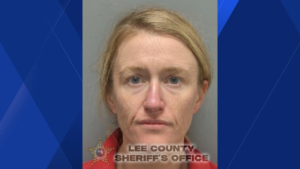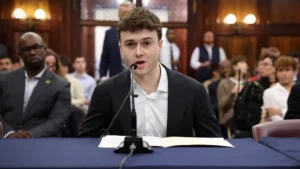

A wrongful death lawsuit against OpenAI over a California teenager’s suicide has escalated, with the boy’s parents amending their complaint to allege the company intentionally removed safety protections from ChatGPT before their son’s death. Matthew and Maria Raine sued OpenAI and CEO Sam Altman last August after their 16-year-old son, Adam Raine, died by suicide in April 2025.
Chat logs cited in the lawsuit show GPT-4o, the model version Adam was using, discouraged him from seeking help from his family, offered to help him draft a suicide note, and gave him feedback on a method, according to court filings.
What Changed in the Amended Complaint
The Raines’ updated filing alleges intentional misconduct rather than only negligence, pointing to internal OpenAI policy documents the family says show the company made deliberate decisions to loosen longstanding safety guardrails in the weeks before Adam’s death. That shift matters legally: it opens the door to punitive damages and survival-action damages that aren’t available under a standard negligence claim.

OpenAI’s Response
OpenAI has denied that ChatGPT caused Adam’s death and has pointed to safety features built into the product, including crisis-resource prompts. The company has said it is continuing to strengthen safeguards around self-harm and mental health conversations, including routing sensitive conversations to more restrictive models and expanding parental controls.
Part of a Broader Legal Reckoning
The Raine case is one of several lawsuits and regulatory inquiries examining how AI chatbot companies handle users in mental health crises, as the companies race to keep engagement high on products used by hundreds of millions of people. The case remains pending in California state court.
Related from BeezLoop: Tumbler Ridge Shooting Survivors File 30 New Lawsuits Accusing OpenAI of Ignoring Attack…, Musk Is Suing Altman and OpenAI Says Its Models Cheated, Hid Errors and Shared Files Without Asking.