

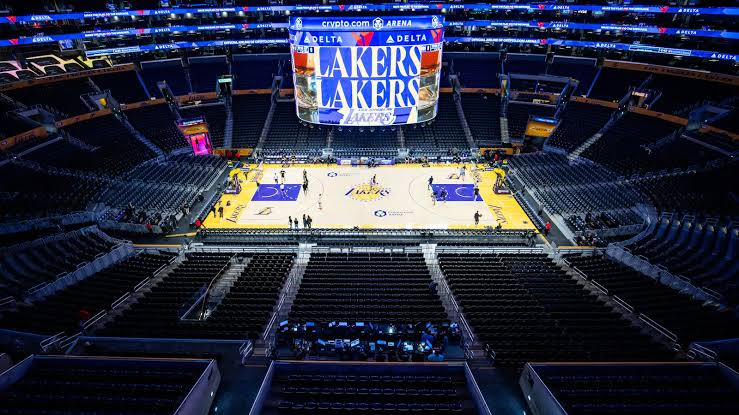
2026 has been a record year for sports franchise sales to private equity firms and billionaire investors. The Los Angeles Lakers sold for $12.5 billion in August, the highest price ever paid for a sports franchise, to venture capitalist Joshua Kushner and former Disney CEO Bob Iger. But that deal is one of several similarly large transactions across different sports and countries this year, not an isolated event.
In May, MLB owners approved a $3.9 billion sale of the San Diego Padres, an MLB record, to private equity billionaire José E. Feliciano and his wife Kwanza Jones, whose investment firm Clearlake Capital also helped fund the $3.16 billion purchase of Chelsea FC in 2022 and now manages more than $90 billion in assets. In March, Apollo Global Management’s sports investment arm completed its purchase of a 55% majority stake in Spanish football club Atlético Madrid, valuing the club at roughly $2.9 billion. And in a deal expected to close later this year, the Mittal family and Adar Poonawalla agreed to pay $1.65 billion for over 90% of IPL cricket franchise Rajasthan Royals.
What These Deals Have in Common
Each of these transactions replaced a mix of long-time individual owners or founder-led ownership groups with large private equity firms or ultra-wealthy family offices, a pattern that’s shown up across MLB, European football, IPL cricket, and now the NBA in the same calendar year. The buyers in each case bring institutional-scale capital and, in most instances, existing sports investment infrastructure, Clearlake already owns a stake in Chelsea, Apollo runs a dedicated sports investment arm, rather than being first-time team owners testing the waters.

Why It’s Happening Now
Sports franchise valuations have climbed fast enough in recent years that buying a top team increasingly requires the kind of capital base that only a handful of traditional wealthy individuals can match on their own, pushing sellers toward private equity consortiums and family offices that can move quickly and pay in cash. Media rights deals, expanding international fan bases, and the perceived scarcity of major franchises (there are only so many NBA or top-tier European football clubs to ever go up for sale) have all fed into valuations rising faster than the pool of individual billionaires willing and able to buy at those prices.
What It Means for Fans
Ownership by private equity and large family offices tends to bring a sharper focus on revenue growth, and in some cases a shorter time horizon than a traditional owner who plans to hold a team for decades, since PE-style investors often have return targets tied to eventually reselling their stake. Whether that translates into higher ticket and concession prices, more aggressive media rights negotiations, or no noticeable change for supporters varies by team and buyer, but the sheer number of these deals happening within months of each other across different sports suggests it’s becoming the default way major franchises change hands, not an exception.
Related from BeezLoop: Kirkland & Ellis Commits $500 Million to Build Custom AI Systems With Palantir Instead of…, The Paper Shield: What a Federal Probe Has to Do With the $12.5 Billion Lakers Sale and The $12.5 Billion Sell-Off: A Closer Look at the Lakers’ Record Sale.