
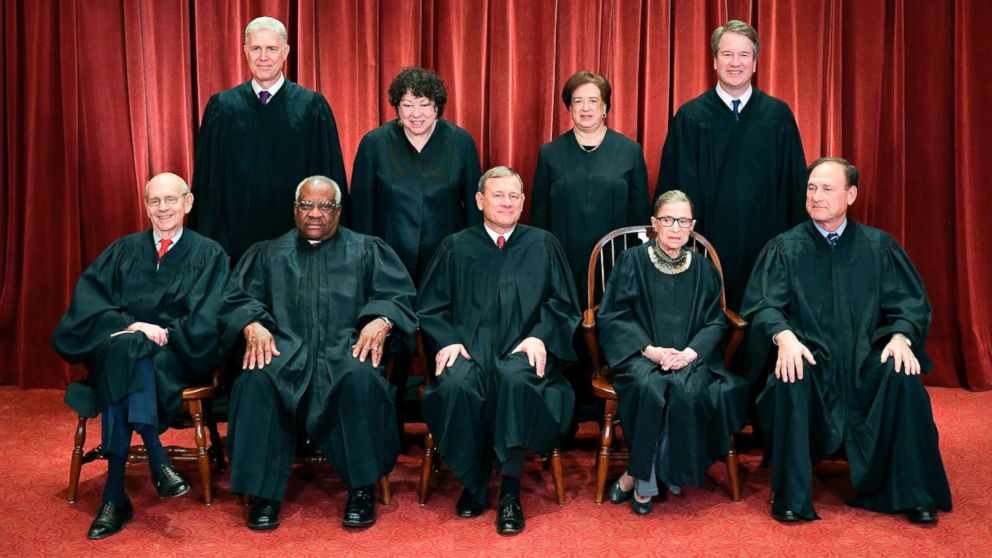
Public trust in the Supreme Court has dropped sharply over the past several years, and polling shows Justice Clarence Thomas specifically carries some of the lowest favorability numbers on the bench. A Pew Research Center poll found just 48% of Americans held a favorable view of the Court, down from 70% five years earlier, and Gallup’s tracking poll put approval at 39%, its lowest point since Gallup started measuring it in 2000. A YouGov poll from May 2026 found 38% approve of the Court against 45% who disapprove.
Thomas’s own favorability sat at 29% in a July 2026 poll, against 41% unfavorable, a net rating of -12, slightly worse than the prior year. The decline tracks closely with a series of ethics stories that began with ProPublica’s 2023 reporting on undisclosed gifts and travel Thomas received from Texas billionaire and GOP donor Harlan Crow.

What ProPublica’s Reporting Actually Found
ProPublica documented that Crow paid for private jet flights, international yacht trips, and private school tuition for a relative Thomas was raising, none of which Thomas disclosed on his required financial filings for years. Crow also purchased real estate that included Thomas’s mother’s home in a 2014 deal, allowing her to continue living there. Thomas later said the trips were “inadvertently omitted” from his disclosures and, through a lawyer, said a review found no willful ethics violation, though legal ethics experts have said the omissions appeared to violate federal disclosure law regardless of intent.

Why the Public Wants Rules the Court Doesn’t Have to Follow
The Supreme Court is the only branch of the federal government without a binding, externally enforced code of conduct; the justices adopted a voluntary ethics code in 2023, but it has no enforcement mechanism and no independent body reviewing compliance. That gap is a major reason the same YouGov poll found broad public support for outside intervention: 79% backed a binding ethics code, 74% backed term limits for justices, and 51% supported requiring a two-thirds Senate supermajority to confirm future nominees.
Where This Leaves Public Confidence
None of this amounts to a criminal charge against Thomas, and no such charge has been filed. What the polling and reporting actually show is a documented pattern of undisclosed gifts from a politically connected donor, a voluntary ethics code with no teeth, and a public that has responded by souring on the institution as a whole rather than Thomas individually. Whether Congress ever passes binding SCOTUS ethics legislation, something that’s been proposed repeatedly without passing, will likely determine whether that erosion in trust is temporary or becomes a permanent feature of how Americans view the Court.
Related from BeezLoop: The Supreme Court Let the Voter Purge Database Run, Trump Sued a Pollster for Being Wrong and A Fox News Poll Says 53% Think Immigration Enforcement Has Gone Too Far.