

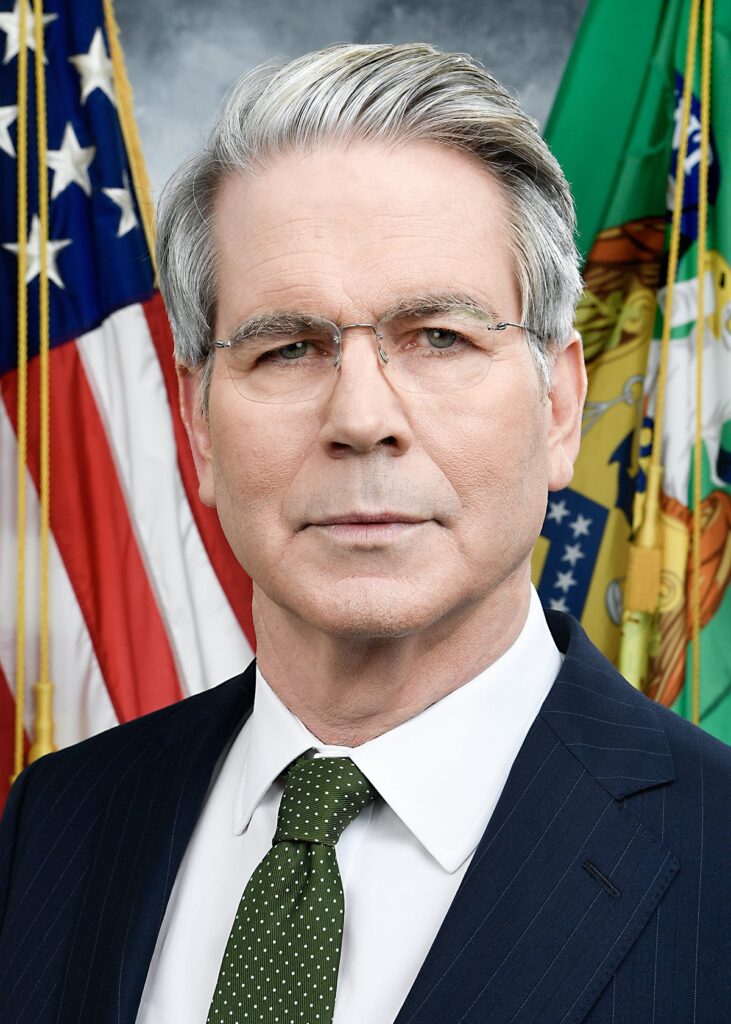
Treasury Secretary Scott Bessent announced a new sanctions campaign against Iran called “Operation Economic Outcast” this week, saying the Treasury Department would sanction more than 60 entities, individuals, and vessels accused of helping Iran acquire nuclear and missile technology, along with a major global financial institution expected to be named by the end of the week. The sanctions target international networks tied to Iranian shipping, oil, crypto, gold, and aviation.
Bessent said Trump is asking allied nations to join the pressure campaign. Iran’s Foreign Minister Abbas Araghchi dismissed the new sanctions as “desperate” and said they’re set to fail, while separately warning that any country that joins or supports the US economic campaign against Iran would be treated as having committed an “act of war.”
The Strait of Hormuz Remains the Real Leverage Point
Iran closed the Strait of Hormuz to shipping after US and Israeli strikes on February 28, and traffic through the waterway, which normally carries about a fifth of the world’s oil trade, has remained effectively halted since. Araghchi has said navigation would return to normal only if the war is permanently resolved, the blockade is lifted, and sanctions on Iran are removed, conditions the current round of Bessent’s sanctions moves further away from rather than closer to.
Where This Leaves Things
Iran’s Persian Gulf Strait Authority has also warned that vessels violating its own transit rules in the strait could face fines, seizure, or confiscation, adding another layer of risk for shippers already avoiding the route. With both sides escalating in the same week, financial sanctions from Washington and territorial threats from Tehran, there’s no clear off-ramp visible in either government’s public statements right now.
Related from BeezLoop: Iran Offered to Reopen Hormuz in Seven Days, Trump Says Iran Reached Out and the War May Be Ending and Trump Won't Say If US Struck Iranian Ship, Floats Keeping Iran's Oil Like Venezuela.