

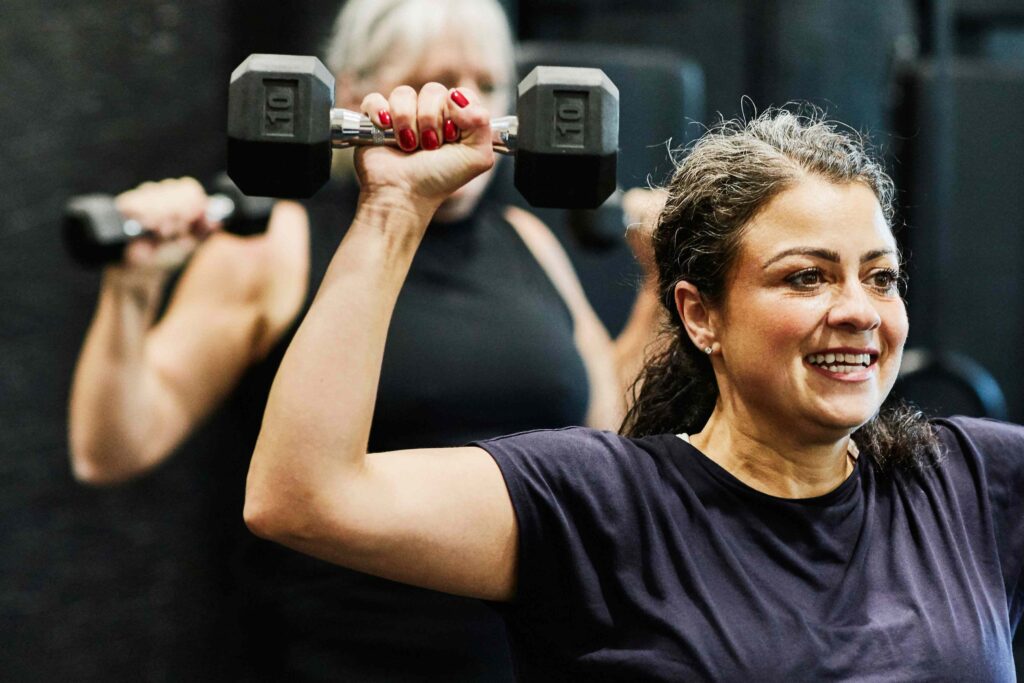
A Harvard T.H. Chan School of Public Health study tracked nearly 150,000 adults for up to three decades and landed on a specific, actionable number: 90 to 120 minutes of strength training a week was linked to a 13% lower risk of death from any cause, compared to people who did no strength training at all. That’s about 15 to 20 minutes a day, or two to three short sessions a week. Not hours in a gym.
The study, published in the British Journal of Sports Medicine, pulled from three long-running cohorts, the Health Professionals Follow-up Study, the Nurses’ Health Study, and the Nurses’ Health Study II. That’s a real strength of this research: it’s not a small trial with a few dozen participants, it’s decades of data on a population large enough to break results down by specific causes of death.
The Numbers Worth Paying Attention To
Beyond the general 13% figure, the breakdown by cause is where this gets more useful. People in that 90-to-120-minute range had a 19% lower risk of dying from cardiovascular disease and a 27% lower risk of dying from neurological disease specifically. Those aren’t small effects for something as simple as picking up weights twice a week.

Here’s the part that cuts against the “more is always better” instinct a lot of people bring to fitness: benefits leveled off above 120 minutes a week. Doing more strength training didn’t keep lowering mortality risk in this data. If you’re already doing an hour and a half to two hours of resistance work weekly, this study doesn’t give you a reason to add more for a longevity payoff, though there may be other reasons to.
The biggest number in the whole study belongs to people who combined strength training with regular aerobic exercise. That group had up to a 45% lower mortality risk than people who did neither. Strength training and cardio aren’t really competing categories here, they’re compounding.
What This Doesn’t Prove
This is observational data, not a controlled trial where researchers assigned people to lift weights or not. People who choose to strength train regularly for decades may differ from people who don’t in other health-relevant ways that the study can’t fully separate out, even with statistical adjustment. That doesn’t erase the finding, but it’s the honest caveat that gets dropped from most headlines.
What it does mean practically: the exercises people already treat as optional or as an afterthought behind cardio, like weight machines, free weights, or simple body-weight moves like push-ups and squats, showed up as tied to real reductions in death from the two categories, heart disease and neurological disease, that quietly end the most lives as people get older. Two sessions a week is a genuinely modest ask against that.
Watch: Does Strength Training Increase Longevity?
What do you think? Does 90 minutes a week sound realistic to actually stick with, or does life get in the way regardless of what the research says? Let us know your thoughts in the comments on BeezLoop.com!
Related from BeezLoop: Scientists Modeled the Absolute Limit on Human Lifespan: 146 to 194 Years, The CDC Says One Person Died of Measles This Year and Health Insurers Want 15% More in 2027. The Subsidies That Cushioned the Last Increase Are….