
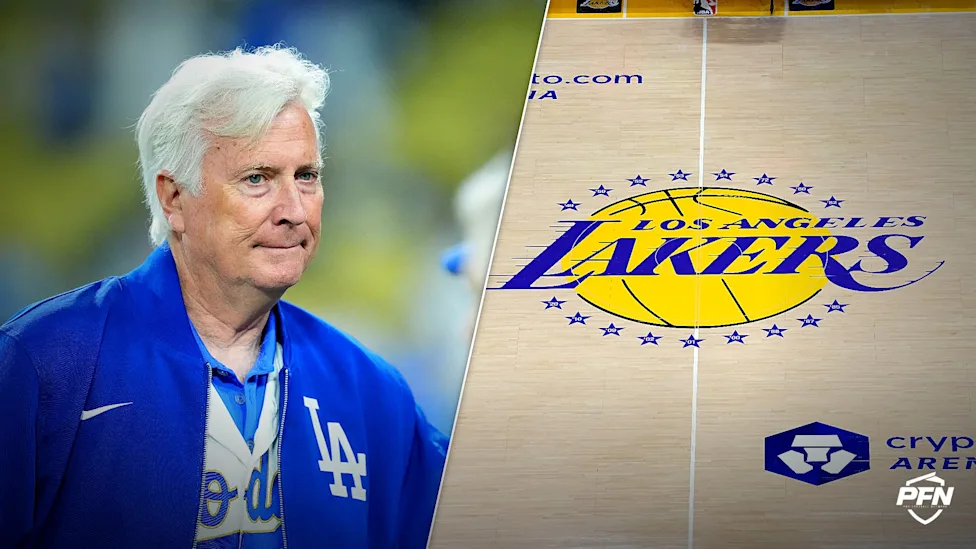
To the sports-mad public, the record-shattering $12.5 billion sale of the Los Angeles Lakers to venture capitalist Josh Kushner and former Disney CEO Bob Iger is a story about franchise valuation and roster building, with plenty of chatter about what the lineup looks like with Luka Dončić now the face of the team.
But the timing of the deal is what’s drawing a second look.
The sale closed in a remarkably fast three days, according to Iger, with no public bidding process. Guggenheim Partners CEO Mark Walter walked away with roughly $2.5 billion in profit, having bought the team for $10 billion barely a year earlier. The sale came about a month after the Wall Street Journal reported that federal prosecutors in Manhattan and the SEC were probing Walter’s broader business empire, including Guggenheim-affiliated insurers Delaware Life and Clear Spring Life and Annuity, over whether they properly disclosed that some of their private credit holdings backed other ventures Walter controls.
That overlap in timing has fueled speculation, some of it explicitly labeled conspiracy theorizing by outlets covering it, that the sale was a defensive move to raise liquid cash ahead of potential legal exposure. Sportico’s own reporting is more cautious, noting there is no public evidence directly tying the Lakers sale to the federal investigation beyond the coincidence of timing, and no indication Walter is preparing to sell any of his other assets, including the Dodgers.
The NBA’s board of governors is reportedly still absorbing the deal, both for its size and for how little advance notice preceded it. Whatever the real explanation, the Lakers have become the second-highest-profile asset, after the team itself, in a story that’s really about how quickly a marquee franchise can change hands when the person selling it wants the transaction done.