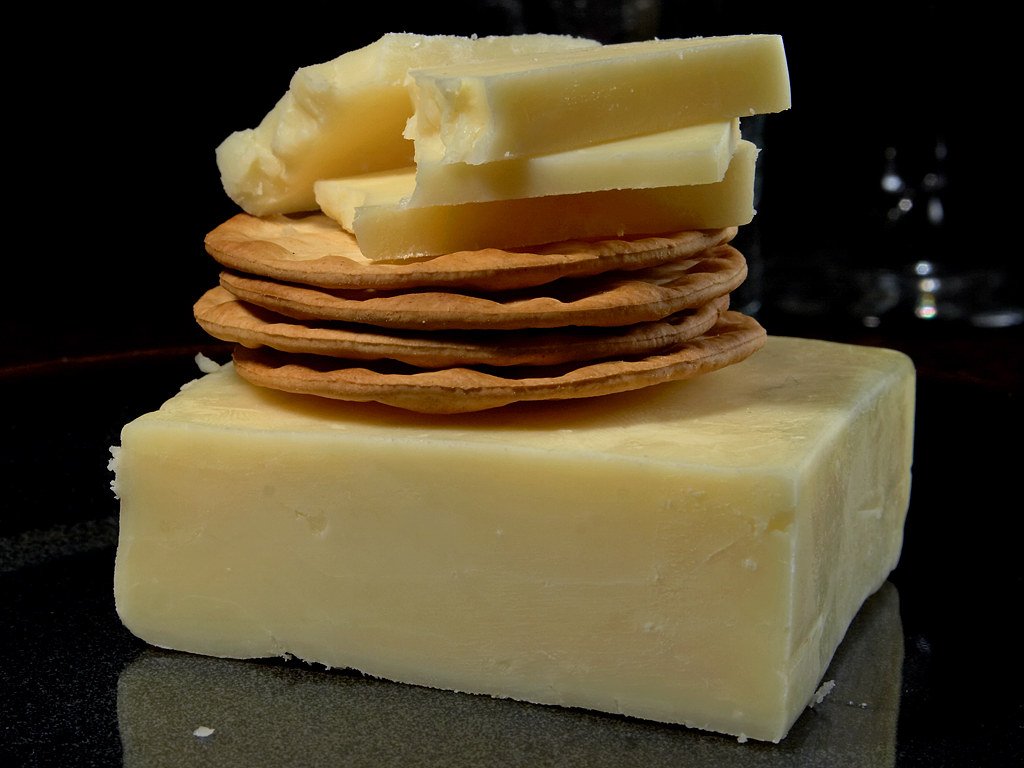
If you buy raw-milk cheese in the Northeast, check your fridge. Family Farmstead Dairy of Worcester, New York, is recalling one lot of its Raw Mild Cheddar because testing found a dangerous kind of E. coli, according to its notice posted by the FDA. The cheese was sold at grocers in New York, New Jersey, Pennsylvania, Connecticut, Maryland, Virginia and Massachusetts, and it may have reached other states through distributors.
No one has reported getting sick. It’s the second raw-milk cheddar recall in about three weeks. The first one, from California, is tied to an outbreak that put eight people in the hospital.

Which cheese is being recalled?
- Product: Family Farmstead Dairy Raw Mild Cheddar Cheese.
- Lot code and best-by date: 7/22/27. No other Family Farmstead products are included.
- Problem: Shiga toxin-producing E. coli, strains O26:H11 and O45:H2. A Maryland test found it in two packages.
- What to do: Don’t eat it. Throw it out or take it back to the store for a full refund. Questions go to the company at (607) 397-4044, weekdays 8:30 a.m. to 5 p.m. Eastern.
The FDA notice was updated after it first went up Oct. 15 to fix the list of states and the E. coli strains. Some early news reports named a different strain, O157:H7, so go by the FDA notice.

How dangerous is E. coli from raw milk cheese?
Most people get stomach cramps and diarrhea, often bloody, a few days after eating contaminated food. The real danger is a complication called hemolytic uremic syndrome, or HUS, which can cause kidney failure. Young kids and older adults are most at risk. If you ate this cheese and get bloody diarrhea, or you’re peeing less than usual, see a doctor and tell them what you ate.
That’s what happened in the bigger outbreak. Sierra Nevada Cheese Company recalled all of its Graziers raw milk cheese on Sept. 25 after 13 people in nine states got sick, TODAY reported. Eight were hospitalized, three developed HUS, and more than half were 5 or younger. Most cases were in California and Nevada.
Is raw milk cheese safe to eat?
It’s legal and lots of people eat it, but it carries more risk than cheese made from pasteurized milk, because heating the milk is what kills germs like E. coli. Federal rules require raw-milk cheese to be aged at least 60 days, which helps but doesn’t guarantee it’s safe. Pregnant women, young kids, older adults and anyone with a weak immune system are usually told to skip it.
The BeezLoop Take
Raw milk has turned into a lifestyle and political symbol. Fine. Adults can make their own choices. But a choice only means something if you know the risk, and two recalls in three weeks, one with toddlers in the hospital, is the risk.
This recall worked the way it should: a state lab test caught it before anyone got sick. That kind of routine testing only works if states keep paying for it. If you’re going to eat raw-milk cheese, the least you can do is check the lot code.
The open question: will regulators step up testing of raw-milk cheese after back-to-back recalls, or leave it to buyers to read the fine print?
Also on BeezLoop: broccoli sprouts were recalled after a salmonella outbreak sickened 22 people, and grocery prices in September’s inflation report.
Sources: FDA recall notice · ABC7 New York · TODAY · ABC News (video)