
Dollar stores that aren’t a dollar. Fewer sizes and colors on the shelf. “Sales” that barely knock anything off. If it feels like real bargains have disappeared, you’re not imagining it. But bargain shopping isn’t dead. It’s changed, and the people who still find deals are shopping differently than they did five years ago.
Here’s what’s actually happening to prices and discounts, and where the savings went.

Why does it feel like there are no deals anymore?
Because the starting price went up. New York Fed research found that by February 2026, tariffs had added 2.9 percentage points to goods inflation, and without them goods prices would have fallen slightly, 24/7 Wall St. reported. When a store’s cost goes up 10% or 20%, a “20% off” sale just gets you back to where the price used to be.

Retailers are also cutting back on deep promotions. Instead of big periodic markdowns, many are moving to smaller, more frequent discounts or “everyday low prices.” Analysts warn of “quiet inflation,” too: shrinking package sizes, cheaper ingredients and fewer promotions instead of an obvious price hike, FoodNavigator-USA reported.
Are dollar stores still cheap?
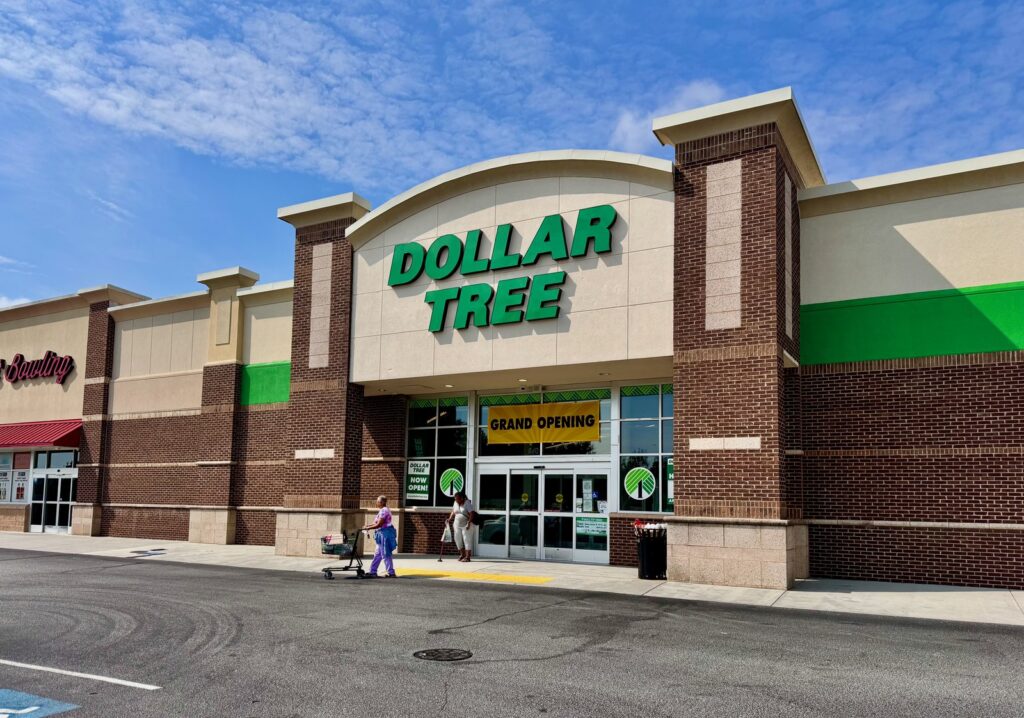
Not like they were. Dollar Tree has moved about 6,600 stores to multiple price points, with items above $1.25; multi-price goods are now 17% of its sales. After the Supreme Court struck down the emergency tariffs in February, opening the door to refunds, Dollar Tree got $383 million back. It didn’t announce price cuts or rebates. Instead it put the money toward “targeted pricing strategies, marketing, store operations,” a $40 million charitable donation and shareholders, while buying back $605 million in stock that quarter, 24/7 Wall St. reported. Shoppers have filed a class-action suit claiming the chain kept tariff money while still charging higher prices.
Not every retailer did the same. Walmart, Burlington, Tractor Supply and e.l.f. Beauty have said they used refunds to lower prices. When e.l.f. cut $4 off one product, unit sales jumped 40%, PYMNTS reported.
Why are store shelves getting smaller?
Companies are cutting how many products they sell to cut import costs. Under Armour has trimmed more than 25% of its products in two years, and about a quarter of U.S. companies in one survey said they expect to shrink their product range in the next six months, according to The Wall Street Journal as cited by PYMNTS. Fewer choices means fewer chances to find the cheap version of something.

Where can you still find real deals?
Big sale events still deliver. During Amazon’s Prime Big Deal Days this week, Adobe found discounts peaked at about 20% off list price, deepest on computers, TVs, electronics, toys and clothing, Digital Commerce 360 reported. Shoppers spent $9.86 billion online in two days. Here’s what still works:
- Buy during real sale windows, not random “sales.” Electronics, toys and TVs see the biggest cuts around October events, Black Friday and Cyber Monday.
- Check the price history with a price tracker before you buy. Many “deals” are the regular price.
- Switch to store brands for groceries, cleaning supplies and medicine. They’re often the same thing for less.
- Compare unit prices, not package prices, to catch shrinkflation.
- Shop off-price and warehouse stores for clothing, home goods and bulk staples.
- Be careful with buy now, pay later. It drove about 6% of online orders during the October sale, and missed payments can wipe out any savings.
The BeezLoop Take
Bargain shopping isn’t dead, but the easy bargains are. The deal used to be built into the price; now you have to hunt for it, and the hunting falls hardest on families with the least time and money to spare.
The Dollar Tree story says a lot. Shoppers paid higher prices because of tariffs a court later said were illegal, and when the money came back, it went to the company and its shareholders, not the people at the register. Some retailers gave customers a break. The ones that didn’t should hear about it from those customers.
The open question: if tariffs come down, will prices ever come back down with them?
Also on BeezLoop: Americans owe $1.26 trillion on credit cards, and luxury car brands are charging more for less.
Sources: 24/7 Wall St. (Dollar Tree, New York Fed research) · PYMNTS (citing The Wall Street Journal) · Digital Commerce 360 (Adobe data) · FoodNavigator-USA · Steptoe (Supreme Court tariff ruling) · 13News Now (video)