
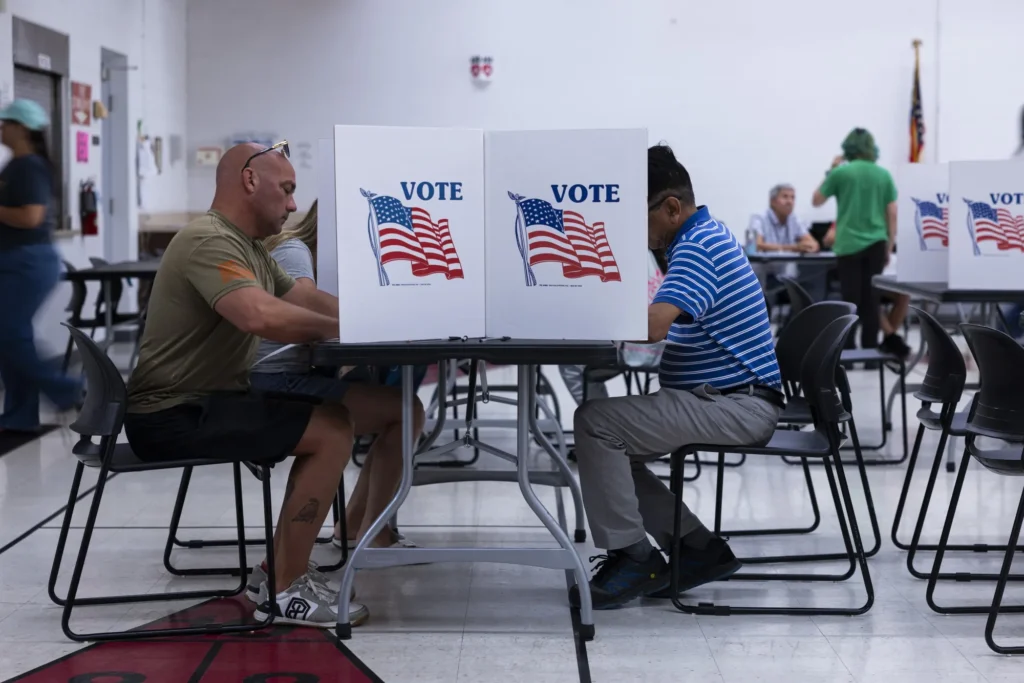
The Justice Department says it will send more than 1,000 monitors to polling places on Election Day. That is hundreds more than the Biden administration deployed in 2024, and the official running it is calling it the biggest such effort ever.
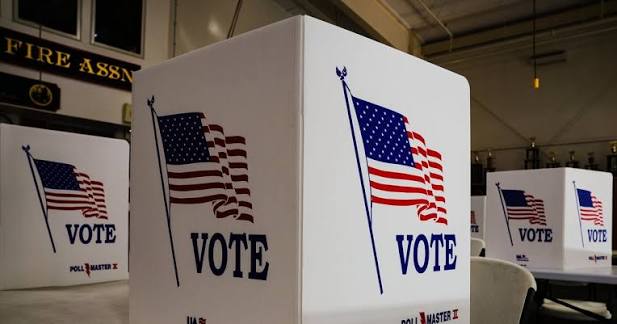
What is being deployed
Two separate operations, running at the same time.
The federal one. Assistant Attorney General Harmeet Dhillon described the DOJ plan as the biggest DOJ election observer effort in history.

The party one. The Republican National Committee is training what it calls special monitors in at least 22 states. Their job is to scrutinize the machines:
- Recording voting machine serial numbers.
- Inspecting security seals.
- Photographing results tapes.
The RNC contributed to more than 175 lawsuits in 2024 and is on pace to exceed that this year.
Who some of the monitors are
CNN reviewed records on monitors deployed during this year’s primaries. Several of them had previously worked to challenge Trump’s 2020 loss.
One, David Levin, pleaded guilty in 2016 to illegally accessing a county elections website in Florida. He served 20 days in jail.
That is a person with a conviction for unauthorized access to election systems, sent by the federal government to observe election systems.
What election officials say
The reporting here is more mixed than either side will want, and both halves belong in the story.
Officials in several places said the monitors during the primaries were professional and did not disrupt anything. That is worth stating plainly.
But Wyoming’s elections director, a Republican, raised the concern that matters most.
May make voters think twice.
Wyoming’s Republican elections director, on the presence of monitors
Federal monitors have historically asked voters to voluntarily discuss their experiences. Voluntarily is doing a lot of work in that sentence when the person asking is from the Justice Department.
Why monitoring exists at all
Worth remembering, because the practice is not sinister by default.
The Justice Department has sent election monitors for decades, largely out of the Voting Rights Act. The original purpose was to protect Black voters in jurisdictions with histories of suppression. Observers were there to watch officials, not voters.
That is the tradition this expansion is drawing on, and it is worth asking whether the direction of the watching has flipped.
The BeezLoop Take
Monitoring elections is legitimate and both parties do it. Democrats field poll watchers, file lawsuits and dispute counts, and nobody serious thinks observation is inherently an attack on democracy. A larger federal presence is not automatically a scandal.
The problem is the stated premise. This buildout is happening because the president says, without evidence, that American elections are riddled with fraud. Courts, recounts, audits and his own former officials have found otherwise, repeatedly. An enforcement surge built on a premise that has failed every test it has been given is not a response to a problem. It is a search for one.
The Levin detail should end any argument about whether this is normal. A man who pleaded guilty to illegally accessing a county elections website was deployed by the Justice Department to monitor elections. Whatever the vetting process is, it either did not catch that or did not care. Anyone who would have been outraged to learn a Democratic administration had done the same thing should be outraged now.
What the RNC operation is actually doing deserves its own scrutiny. Recording machine serial numbers, inspecting seals and photographing results tapes is not observing whether voters are treated fairly. It is building an evidentiary file. That file has one obvious use, which is litigation and public argument after a loss, and the 175 lawsuits tell you the plan is already written.
The Wyoming warning is the one to hold onto, because it did not come from a critic. A Republican election official said out loud that this may make voters think twice. That is the whole risk in five words. A polling place full of federal personnel and party monitors with cameras is not neutral scenery for someone who is nervous about authority, and the people most likely to hesitate are rarely the people with the least to lose.
The question
If the monitors find nothing again, does anyone accept the result? And when a Republican elections official warns that federal observers may discourage voters, who is that supposed to reassure?
Related: the government-funded anti-communism ad running six weeks before the midterms, and the FBI breach exposing agents’ data.
Sources: CNN · CNN via KVIA