
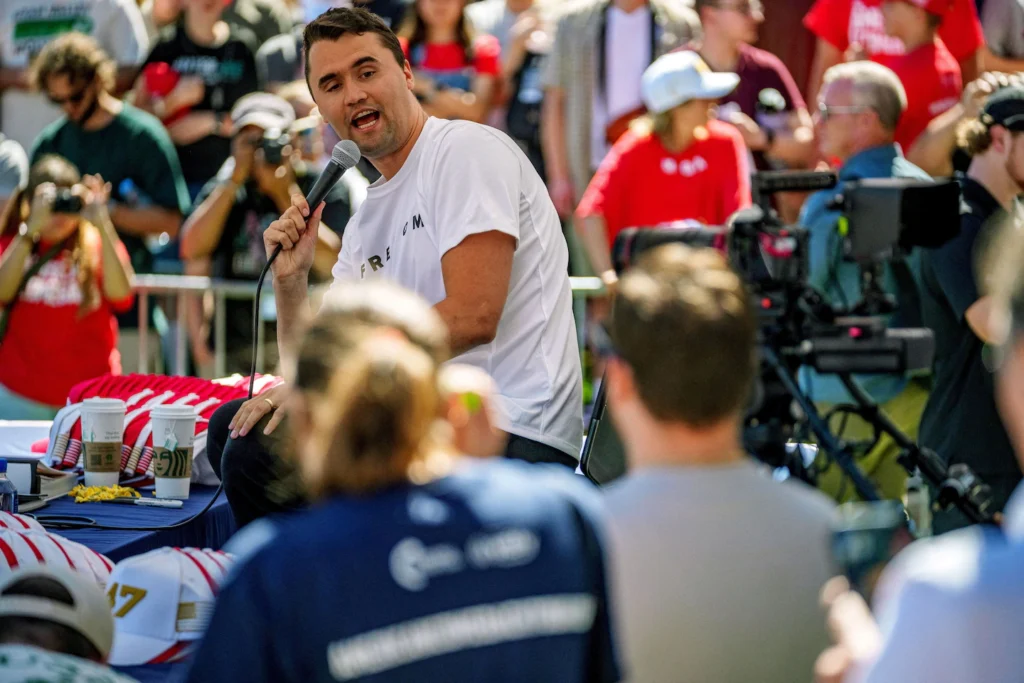
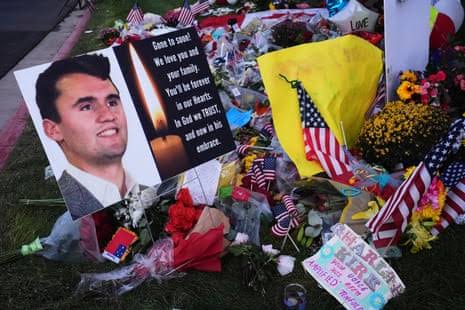
Charlie Kirk’s family has filed a notice of claim against Utah Valley University, its former president, its police chief, and the state of Utah, alleging that a series of security failures left the Turning Point USA founder exposed to the rooftop sniper who killed him. The filing, dated just before the one-year anniversary of Kirk’s death, is the required first legal step before the family can sue.
What exactly happened on September 10, 2025?
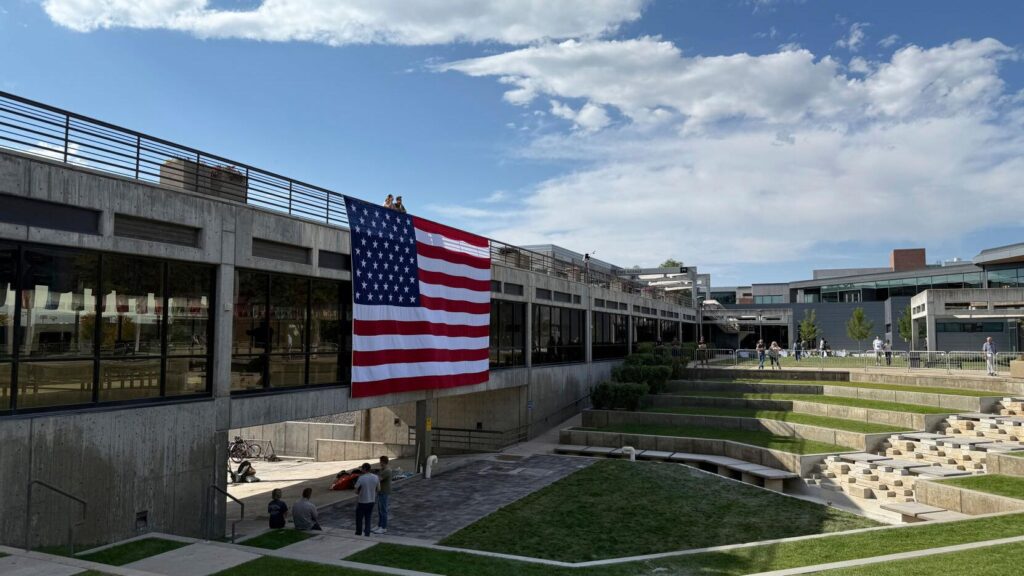
Kirk, 31, was shot and killed while debating students in an outdoor courtyard at Utah Valley University in Orem, an event that drew roughly 3,000 spectators. The fatal shot came from more than 400 feet away, fired from the roof of the Sorenson Center, a building directly west of the venue. Tyler Robinson, a Utah resident, turned himself in the day after the shooting and has been charged with aggravated murder; prosecutors have cited surveillance video, DNA linking him to the rifle used, and a handwritten note reading, “I had the opportunity to take out Charlie Kirk, and I took it.” He faces a possible death penalty, and no trial date has been set.
What specific security failures does the family allege?
The notice of claim lays out a detailed list. It alleges Turning Point USA organizers specifically warned UVU Police Chief Jeffrey Long about rooftop access near the venue beforehand, and that Long responded, “I got you covered.” Despite that warning, the university deployed only six campus police officers to cover roughly 3,000 attendees; the notice says Long had requested additional officers from then-university president Astrid Tuminez but was denied. It also alleges there was no written security plan, no real-time monitoring of security cameras, no metal detectors or bag checks, no secure perimeter, and no drone surveillance of surrounding rooftops. Students had reportedly told organizers that the Sorenson Center’s roof was accessible, the exact position from which the shooter later fired. The family’s attorney, D. Loren Washburn, argued that “the risk of a rooftop shooter should have been especially top-of-mind” given the history of attacks on political figures at outdoor events.

What happened in the immediate aftermath of the shooting?
The notice also raises questions about the emergency response itself, alleging no first responders were immediately available at the scene when Kirk was shot, and that he was transported to the hospital in a private vehicle rather than an ambulance. That detail is being presented as a separate failure from the initial security planning, pointing to a breakdown in emergency response as well as prevention.
What legal claims are being made, and what happens next?
The notice names Utah Valley University, former president Astrid Tuminez, police chief Jeffrey Long, and the state of Utah, and raises both a wrongful death claim and a “state-created danger” claim under the U.S. Constitution, a legal theory arguing that government officials affirmatively created or increased the danger Kirk faced rather than simply failing to prevent it. The prospective plaintiffs include Kirk’s widow, Erika, and their two children. Under Utah law, this notice of claim is a mandatory first step that preserves the family’s right to sue; it doesn’t specify a damages amount, and no formal lawsuit has been filed yet. The university, Tuminez, and the state haven’t issued detailed public responses to the specific allegations as of this filing.
Sources: Fox News · KSAT/AP · ABC News 4 · 2News