

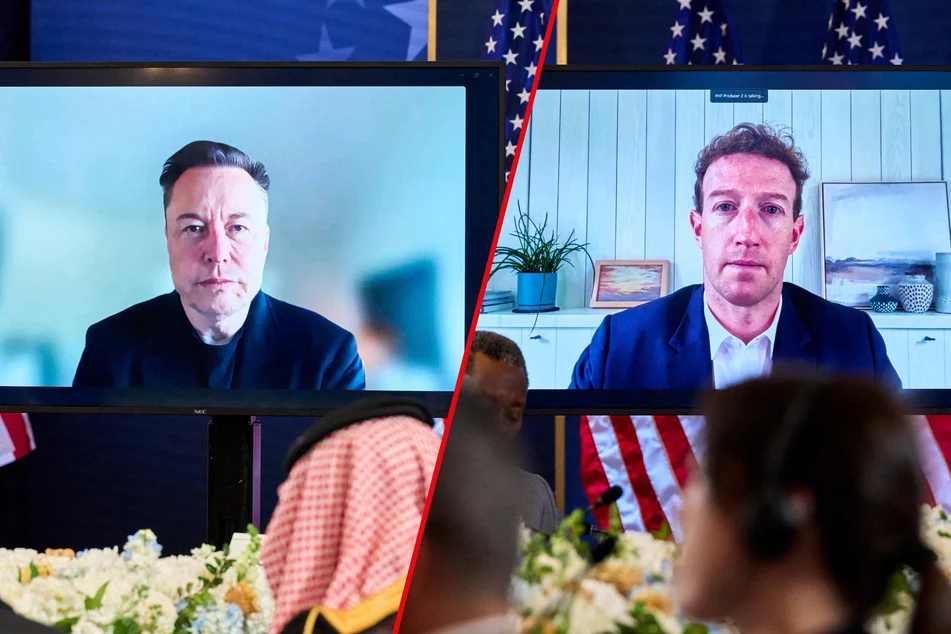
All G20 member nations, including China, unanimously endorsed a US-proposed framework called the Carolina Principles at the close of the G20 Innovation Ministerial in Chapel Hill, North Carolina, according to Al Jazeera, the technology outlet Implicator.ai and other reporting from the summit. The non-binding framework marks the first coordinated multilateral pushback against treating AI as a category requiring its own dedicated regulation.
What the principles actually say
The Carolina Principles rest on three commitments: writing rules for specific sectors and use cases rather than passing sweeping, cross-sector AI legislation; treating government-industry collaboration as the primary way AI gets governed day to day; and keeping the whole arrangement voluntary, with no treaty obligations, no fines and no compliance deadlines attached. That stands in direct contrast to the European Union’s approach, where the EU AI Act imposes binding rules with real penalties, and where the bloc’s vice president for tech sovereignty has reaffirmed Brussels has no plans to walk that back.
Tech leaders made the case in the room
Industry figures including Elon Musk, Mark Zuckerberg and Sam Altman joined G20 ministers to argue for the lighter-touch approach. Zuckerberg told ministers Meta “can’t find the skilled tradespeople that we need to build the data centers,” framing labor shortages, not regulation, as the real bottleneck on AI’s rollout. Musk went further on infrastructure, warning that “there will be a significant power shortfall next year, not (the) distant future,” and separately criticized EU tech policy as something that “inhibits progress” for companies trying to build at scale.

Musk has previously estimated that full AI adoption could add $20 trillion to $30 trillion a year in global economic growth, a figure that underpins the industry’s argument that regulatory friction carries a real opportunity cost measured in trillions rather than just compliance paperwork.
A framework with real limits
Because the Carolina Principles carry no enforcement mechanism, they function more as a diplomatic signal than a binding policy shift, nations can sign on without changing a single domestic law. But unanimous G20 buy-in, including from China, still matters as a marker of where the balance of global opinion currently sits on AI governance, and it hands the Trump administration a talking point heading into further trade and technology negotiations with the EU.
Sources: Implicator.ai · Al Jazeera · WRAL
Related from BeezLoop: Musk Is Suing Altman, Google Is Helping Write AI Chatbot Safety Laws and AI Is Getting More Powerful.