
The Pentagon has pulled down guidance it posted only a day earlier that would have required testosterone-deficiency screening for service members age 30 and older, after the policy drew scrutiny for how quickly it was rolled out.
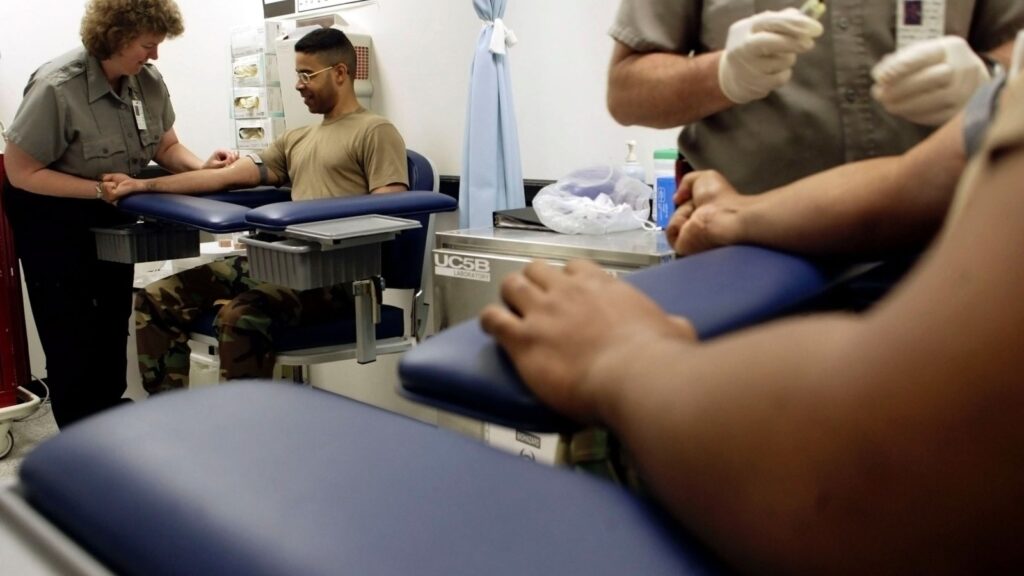
The document, titled “Clinical Guidance for Health and Human Performance Optimization,” appeared on the Defense Department’s website on September 2, 2026. It laid out a screening process built around a questionnaire that could trigger a blood test for testosterone levels and, depending on the results, hormone therapy. The guidance described separate screening paths for men and women and was set to take effect immediately, framed as a readiness measure aimed at catching hormonal and energy-availability issues affecting troops.
By Thursday, September 3, both the memo and a statement from Pentagon spokesperson Sean Parnell that had accompanied its release were gone from the department’s site. Officials told reporters at Forbes, Military Times and Reuters that the guidance was “temporarily rescinded to allow for updates,” and that interim guidance already in place would remain in effect in the meantime. Notably, none of the officials described the move as a permanent reversal or an abandonment of the screening concept.

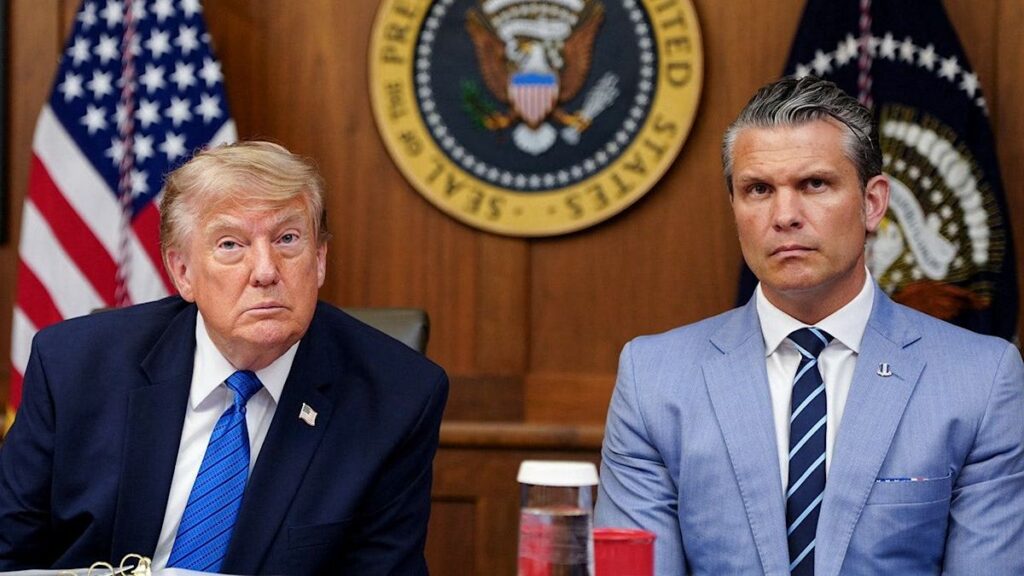
The whiplash points to a rollout that moved faster than the department was prepared to defend. A mandatory hormone-screening policy touching every service member over 30 is the kind of change that typically arrives after research citations, cost estimates and coordination with the military health system are locked down. Posting it and yanking it within 24 hours suggests at least one of those pieces was missing when the guidance went live.
It also leaves troops in a holding pattern. Anyone who read Tuesday’s announcement and expected a screening questionnaire soon is now working from whatever the prior interim guidance says instead, with no public timeline for when, or in what form, the testosterone policy comes back. The Pentagon has offered no specifics on what updates the guidance needs before it’s reissued.
Testosterone therapy in general has become a bigger conversation across U.S. medicine in recent years, with clinics marketing it well beyond its traditional uses, and military leadership under the current administration has repeatedly framed hormone optimization as part of a broader push on troop readiness and fitness standards. Whether that push returns as written or gets revised after this stumble is the open question.
Read the original reporting at Forbes and Military Times.
Related from BeezLoop: Pentagon Rebrands Itself Department of War Under Trump Order as Congressional Budget Office…, Army's Four-Star Ranks Hit Decades-Low as Hegseth Purge Disproportionately Hits Black,… and Army Secretary Dan Driscoll Resigns Amid Reported Clashes With Hegseth.