

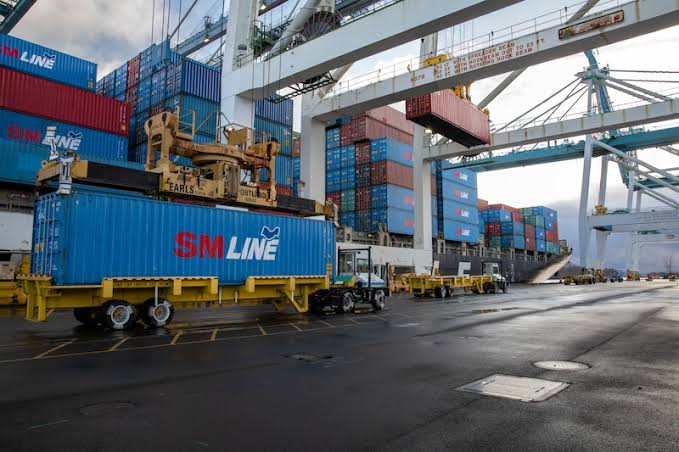
An August 2026 analysis from the Oregon State Treasury found that Oregon importers alone paid nearly $3 billion in tariffs between March and December 2025, a real cost that’s landed on businesses and consumers rather than the foreign governments tariffs are meant to pressure. Oregon Treasurer Elizabeth Steiner summarized the state’s findings bluntly: “Tariffs are bad for consumers, bad for businesses, and bad for our state,” pointing to estimates that households are absorbing up to $2,000 a year in added costs from the broader trade war.
The Oregon report ties specific consequences to specific goods: farm equipment like tractors, combines, and fencing carrying higher import costs; fertilizer supply lines clogged by retaliatory trade friction; and lower-margin exports like grass seed facing new barriers into Asian markets.
The Alcohol Trade Is a Clear Case Study
Canadian provinces pulled American spirits from government-controlled liquor stores after the initial round of US tariffs, and the effect has been steep: the Distilled Spirits Council of the United States reported US spirits exports to Canada fell more than 70%, from $203 million to about $60 million, with Brown-Forman reporting a 59% drop in Canadian revenue and US winemakers losing over $343 million in export sales. Brands like Jack Daniel’s, Woodford Reserve, and Tito’s have been absent from Canadian shelves for well over a year.
Some Companies Are Just Relocating
Minnesota-based Phillips Distilling, maker of Sour Puss liqueur, signed a multi-year deal to shift production to Montreal, citing that 98% of its sales are in Canada. It’s a small, concrete example of a broader pattern: when tariff exposure and cross-border retaliation make a specific product line too costly to keep making in the US, some manufacturers simply move the production instead of absorbing the cost.
Related from BeezLoop: Canada's New Tariffs on 700 US Goods Are Now in Effect, Trump Says Bombardier Jets Can No Longer Be Sold in the US Unless the Canadian Company… and Trump Announces 50% Tariffs on Canadian Autos and Steel Starting 2027.