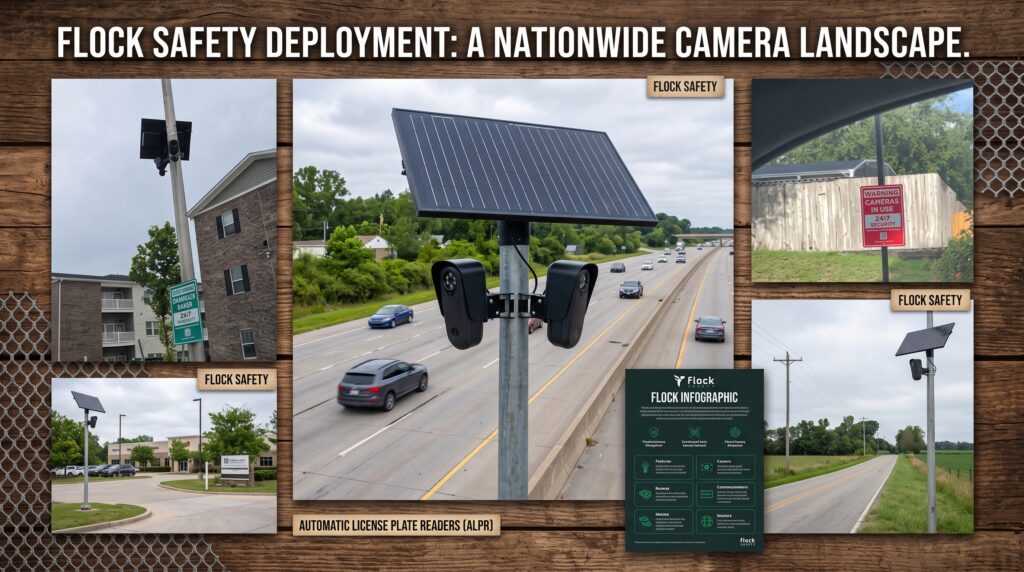
People across the country are cutting down, spray-painting, and ramming vehicles into Flock Safety license plate readers, part of a fast-growing backlash against the automated cameras now installed on more than 130,000 poles nationwide. NPR’s review of local news reports found cameras vandalized in at least 36 states, and the advocacy group DeFlock says at least 100 cities have deactivated their cameras or canceled contracts with Flock or similar vendors entirely.
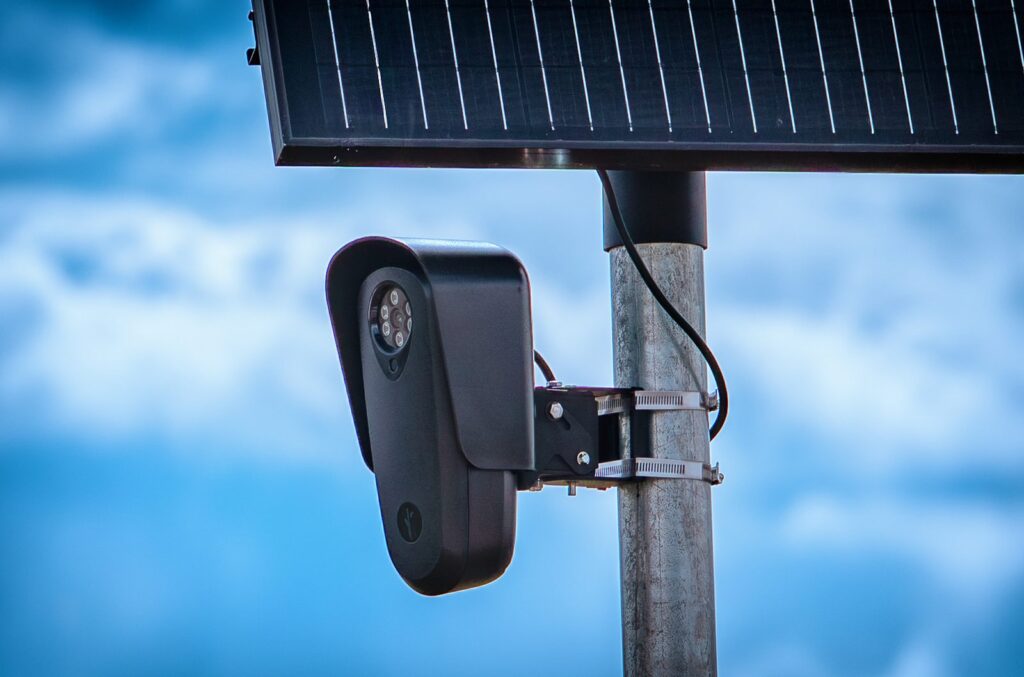
The company markets its cameras as a tool for solving crimes: they photograph every license plate that passes, log the time and location, and flag matches against watchlists for police departments. That’s also exactly what critics say makes them dangerous, a searchable, nationwide database of where ordinary people drive, built without most residents ever voting on whether they wanted it installed.
Why Now?
The backlash isn’t new, but it’s accelerating. DeFlock organizers ran a National Week of Action this past week, with more than 25,000 people registered for protests and education sessions around the country. Opposition has become one of the rare genuinely nonpartisan issues in American politics right now: privacy-focused progressives, MAGA Republicans, and centrist civil libertarians have all shown up at the same city council meetings arguing the same point.

Reports of officers misusing Flock’s database have sharpened the argument. In one widely covered case out of Florida, a police officer was charged after investigators say he searched his estranged wife’s license plate in the system 717 times over 21 months with no case attached to any of the searches, using fabricated case categories like drug investigations and wanted-persons checks to justify the lookups.
What the Vandalism Actually Looks Like
The methods vary by city. People have sawed cameras down with power tools in upstate New York, covered lenses in spray paint in Oakland, and driven a truck straight through one in Idaho. In Winona, Minnesota, police say eight cameras disappeared in what investigators believe was a coordinated, roughly $24,000 theft. DeFlock itself says it doesn’t advocate destroying the cameras and instead publishes a public map of where they’re installed, arguing that transparency, not sabotage, is the more durable form of resistance.
What Happens to the Data Already Collected?
Deactivating or removing a camera doesn’t erase the location history it already gathered. Flock retains scan data for a set retention window, typically 30 days by default though it varies by contract, and can share it across agencies through a nationwide network, which is the specific feature the ACLU and other privacy groups say turns a local traffic tool into a de facto national tracking system. Whether individual cities cancel their contracts or not, the underlying legal question, how long police departments should be allowed to keep a record of everywhere a car has been, hasn’t been settled by courts or legislatures anywhere near as fast as the cameras themselves have spread.
Related from BeezLoop: How We Quietly Built a Neighborhood Surveillance State, Florida Officer Charged After Using Flock Cameras to Track Ex-Wife 717 Times and Meta Closes Loophole That Let Smart Glasses Keep Recording With the Camera Light Covered.