
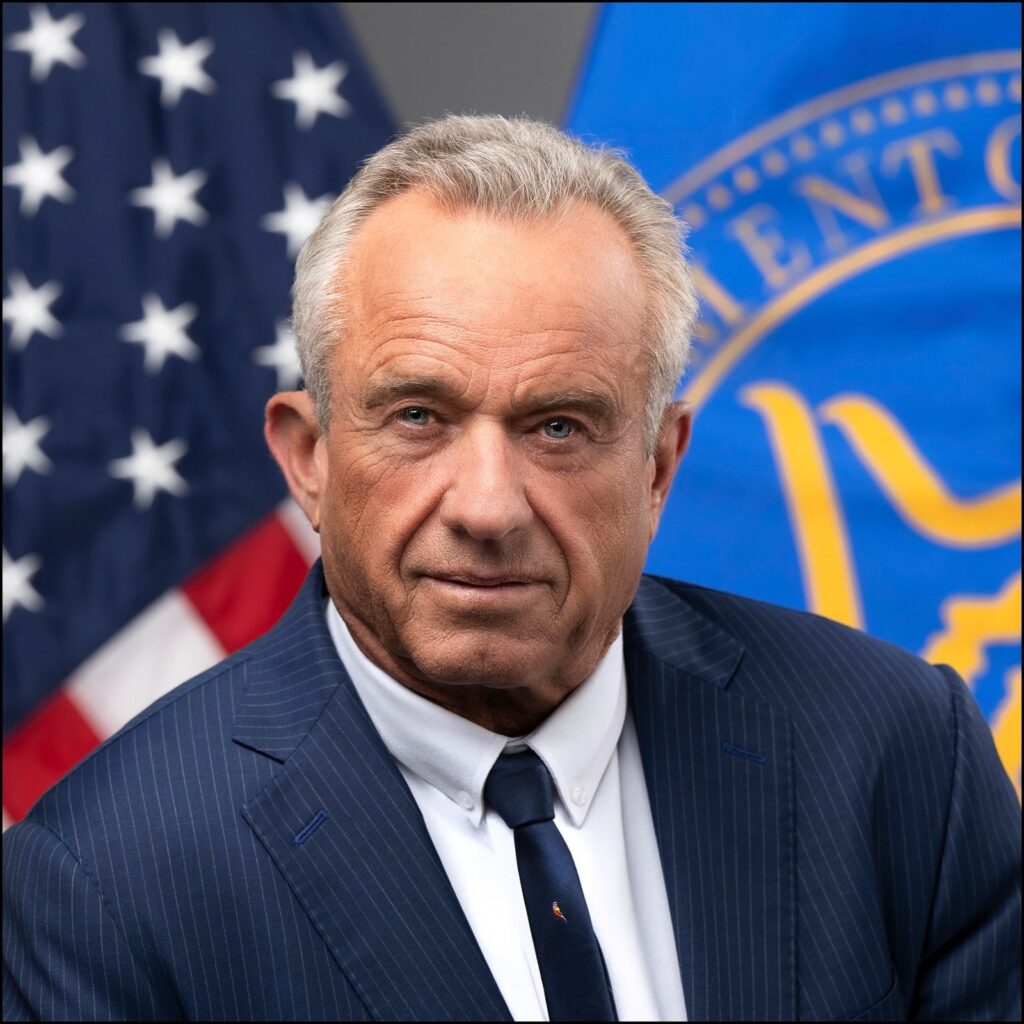
HHS Secretary Robert F. Kennedy Jr. was in Rochester, Minnesota, Friday to launch the federal government’s first National Autism Missing and Endangered Person Alert Initiative, a partnership between HHS, the Department of Justice, and FEMA aimed at locating missing autistic children and adults more quickly. The framework is still being built and is not yet an active nationwide alert system.
Rochester was chosen for the announcement because Olmsted County has run its own Project Lifesaver program since 2007, equipping autistic individuals prone to wandering with wearable GPS and radio frequency tracking devices. Local officials say the county has a 100 percent success rate finding missing participants using the technology.
Is a Federal Tracking Program Different From a Local One?
Scale is the real difference. Project Lifesaver has operated for nearly two decades as a voluntary, opt in county level program, chosen by families rather than imposed on them. A national HHS, DOJ, and FEMA framework built around the same idea raises a separate question: whether the infrastructure built to run a voluntary local safety program at national scale creates a tracking system that’s easier to expand to other populations later, under a different administration or a different justification, than it would be to build from scratch.
Kennedy’s announcement doesn’t answer that question either way, the initiative is still in the framework stage, and nothing about it currently applies to anyone outside the autism community it’s designed to protect. Whether it stays that narrow once the federal alert system is actually built and operating is the part worth watching, not the underlying goal of finding a missing person faster, which nobody involved disputes is worthwhile.
Related from BeezLoop: Tisha Campbell Was Diagnosed With Autism at 57. Her Son Was Diagnosed at 18 Months, Trump's Third Surgeon General Pick Faces Senate Amid Measles Outbreak and Supplement… and Steak 'n Shake Goes All In on MAGA and MAHA Branding, and Sales Keep Climbing.