

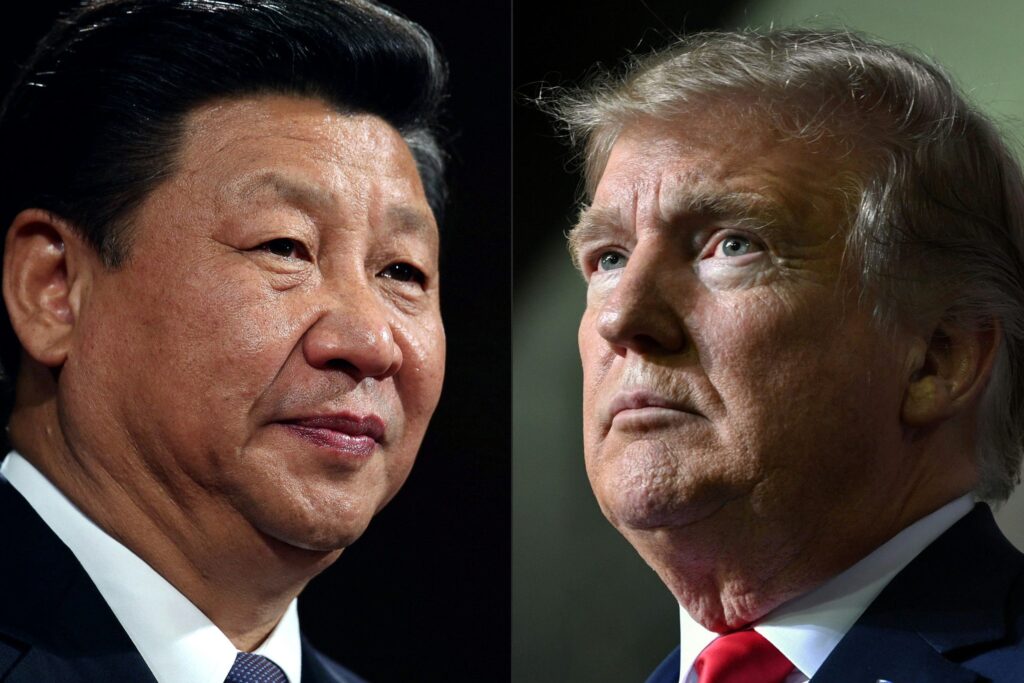
The White House released a report titled “The Great Transshipment Scam” accusing China of routing billions of dollars in goods through more than 40 other countries to dodge U.S. tariffs, estimating the practice costs the U.S. between $19 billion and $26 billion a year in lost tariff revenue.
According to the report, exporters disguise a product’s true origin by relabeling or repackaging goods, or performing minimal additional assembly, in a third country before shipping to the United States at that country’s lower tariff rate. The White House named Panama, Mexico and Colombia among the more than 40 countries it identified as high-risk transshipment points, alongside Brazil, Argentina, Chile, Peru, Costa Rica and the Dominican Republic.
A separate Commerce Department analysis cited roughly $67 billion in goods transshipped from China through Mexico, India and Vietnam last year alone, translating to about $28 billion in lost tariff collections. The findings are expected to inform new enforcement measures targeting the intermediary countries named in the report.
The White House has announced findings regarding what it characterizes as a transshipment scam, accusing China and dozens of other countries of actively working to evade U.S. trade tariffs. According to administration estimates, these tariff avoidance practices are resulting in a substantial loss of federal revenue, amounting to an estimated $19 billion to $26 billion annually.
The allegations focus on international supply chain maneuvers designed to bypass trade measures originally enacted under the Trump administration. Officials state that goods originating in China are being routed through third-party nations to conceal their country of origin, enabling exporters to avoid the required customs duties when bringing products into the United States market.
The substantial estimated financial impact highlights growing federal scrutiny over cross-border trade enforcement. Coverage across multiple media outlets indicates that the administration views the involvement of dozens of intermediary countries as a coordinated effort to undermine U.S. trade policy and tariff revenue collection.