

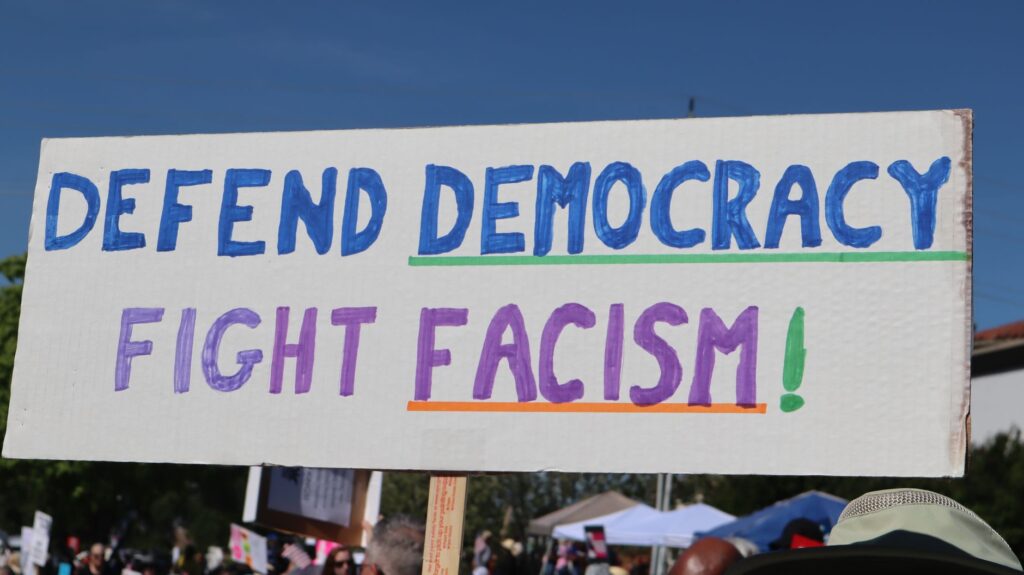
President Donald Trump’s reported interference in the Justice Department has created legal and political difficulties that critics say stem from his own actions. The episode has drawn attention to the boundaries between presidential authority, prosecutorial independence and the rule of law.
Coverage by The New York Times and other outlets has framed the controversy as a dispute over the administration’s handling of the Justice Department and its consequences for Trump. Some reports describe the intervention as having weakened the legal position of the president or exposed him to problems that might otherwise have been avoided.
The developments have also renewed broader concerns about the politicization of federal law enforcement. Critics argue that efforts to influence investigations or legal proceedings can undermine public confidence in the department, while supporters of Trump have portrayed the actions as part of his effort to challenge what he views as unfair treatment.
The full consequences depend on subsequent legal and political developments. The controversy nonetheless highlights the risks presidents face when they intervene directly in law-enforcement matters, particularly when those interventions affect cases involving the president or his allies.