

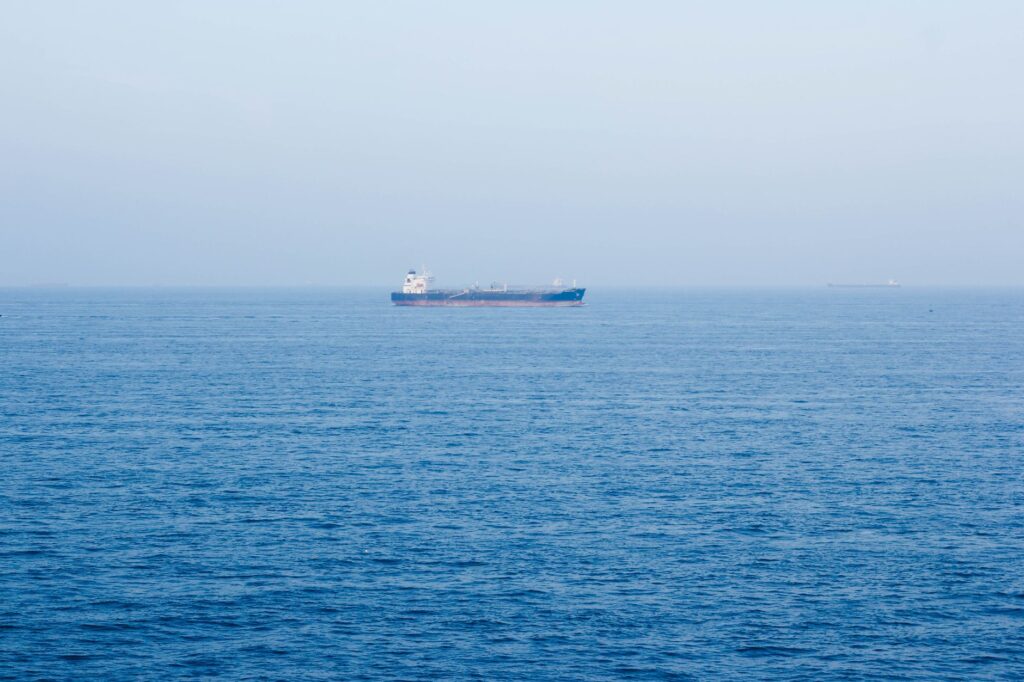
Donald Trump has stated that he intends to declare the Strait of Hormuz a United States territory, intensifying ongoing geopolitical friction between Washington and Tehran. The declaration coincides with reports that the United States is considering an indefinite naval blockade designed to isolate Iran and heighten economic pressure on the regime. The strategic waterway, which serves as a critical corridor for international maritime traffic and global energy shipments, has reemerged as a central flashpoint in the confrontation between the two nations.
The comments reflect an escalating posture aimed at squeezing the entrenched Iranian government through economic and naval measures. Trump has repeatedly asserted that the United States possesses or could assume control over the vital passage, raising questions regarding the legal and operational realities of such claims. Reports suggest that these assertions are part of a wider effort to restrict Tehran's regional maneuvering and enforce strict oversight on maritime activities in the surrounding waters.
In response, officials in Tehran have rejected the statements, asserting that the Strait of Hormuz remains firmly under Iran's control. Iranian authorities pushed back against threats that the United States might attempt to seize or retain authority over the passage. The conflicting declarations have underscored deepening hostilities, with both sides trading warnings over the strategic maritime route as international observers monitor the potential impact on regional security.
Related Coverage
- Iran war live: US eyes ‘indefinite’ naval blockade, vows to isolate Tehran
- Tehran says Strait of Hormuz "under Iran's control" after Trump threatens U.S. might "keep it"
- Trump Reverts to Economic Squeeze of ‘Entrenched’ Iranian Regime
- Trump keeps saying the US controls the Strait of Hormuz. Does it?