
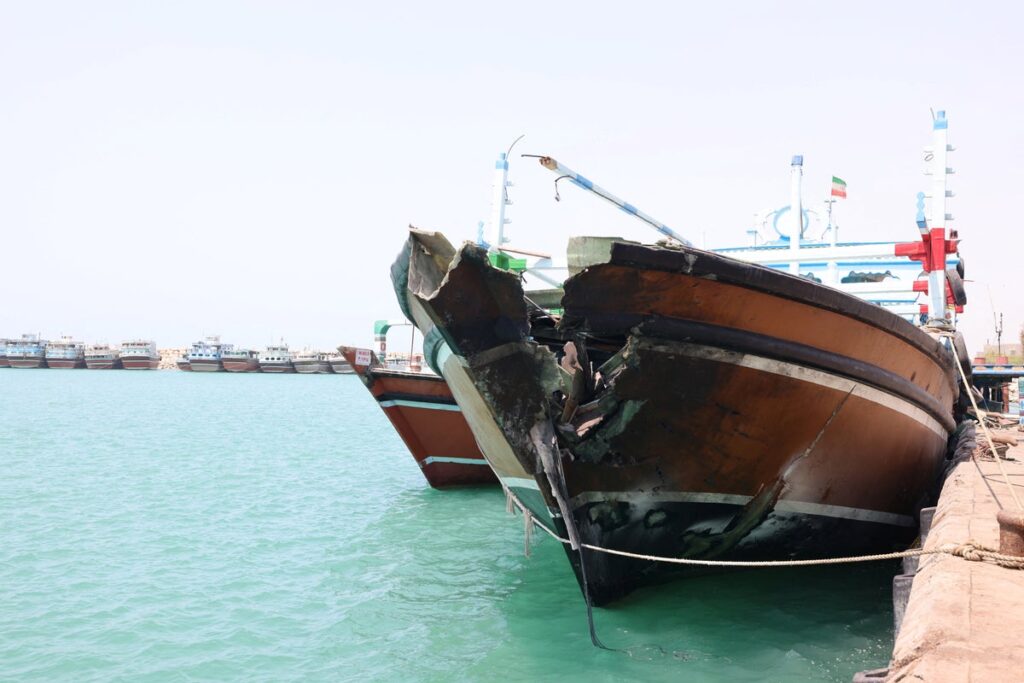
Tensions between the United States and Iran have sharply escalated following direct military engagements in the Middle East, centered around the strategic Strait of Hormuz. The U.S. military struck and sank three Iranian oil tankers in the waterway, carrying out the operation in direct retaliation for missiles that were fired at an American aircraft carrier. The confrontation marks a significant intensification of hostilities, placing critical international shipping lanes at the center of the conflict.
In response to the destruction of its vessels, Tehran has pledged to retaliate with a more painful response against the United States. Iranian authorities announced intentions to extend an exclusion zone near the Strait of Hormuz, raising concerns over the security of maritime transit through the vital energy corridor. The move signals potential further disruptions to commercial navigation as both sides exchange threats and military actions across the region.
The escalating conflict has also led to reported civilian casualties within Iran, compounding the volatile situation. A strike on a wedding resulted in fatalities, with indications that the incident was caused by an American bomb missing its intended nearby target. The combination of targeted naval strikes, civilian harm, and threats of wider maritime restrictions underscores the rapid expansion of the confrontation between Washington and Tehran.
Related Coverage
- Iran vows 'more painful response' for US, Trump sinking 3 oil tankers in Hormuz Strait
- U.S. Strikes Three Iranian Ships After Missiles Fired at American Aircraft Carrier
- US military strikes three Iranian tankers in retaliation for missile attacks
- Deadly Iran wedding strike likely due to U.S. bomb missing a nearby target