

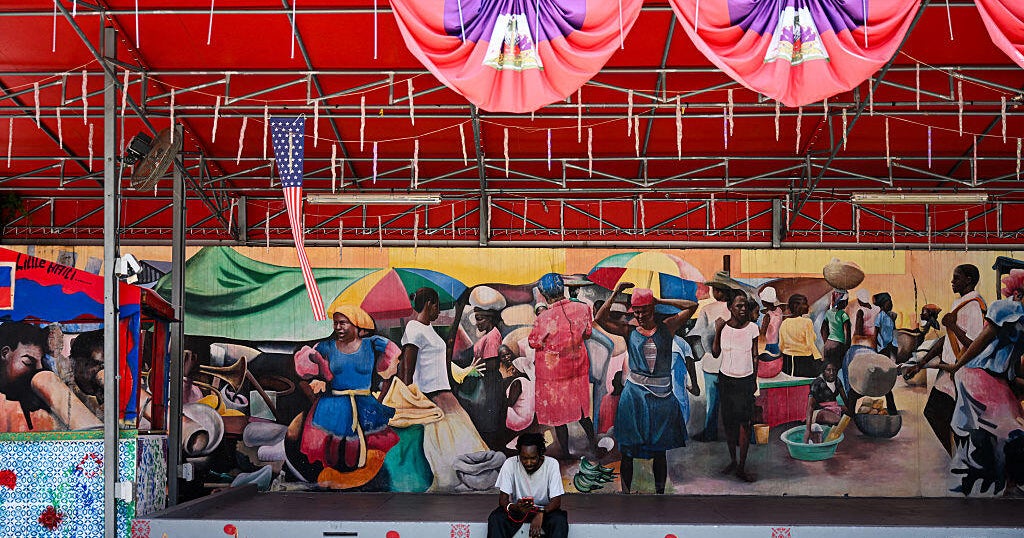
A Haitian pregnant woman in Florida is facing uncertainty over her immigration status as Temporary Protected Status (TPS) for Haitians comes to an end. She says she has lived in the United States for most of her life, highlighting the concerns of Haitians who have built families and careers in the country while relying on the program’s protections.
TPS has allowed eligible nationals from countries affected by conflict or disaster to remain in the United States temporarily and obtain protection from deportation and work authorization. Coverage of the policy change says those protections for Haitians are no longer in place following court action, leaving recipients vulnerable to enforcement and possible removal.
The end of TPS has prompted concern among Haitian communities and pressure on public officials and employers dealing with people whose legal status may be changing. Other reports have described Haitian city employees affected by the policy and cases involving ankle monitors, underscoring the range of consequences facing people who had previously been protected.
For Haitian families, including pregnant women and others who have spent much of their lives in the United States, the policy shift raises questions about whether they can remain with their families, keep working and continue receiving care. The developments have renewed debate over the temporary nature of TPS and the consequences of ending it for long-term residents.
Related Coverage
- Mamdani terminating Haitian city employees in country under TPS program Trump killed
- Trump Officials Under Pressure to Deport Haitians After Supreme Court Win on T.P.S. Program
- Court confirms that temporary deportation protections for Haitians are no longer in place
- The loss of TPS brings another humiliation for Haitians — ankle monitors