

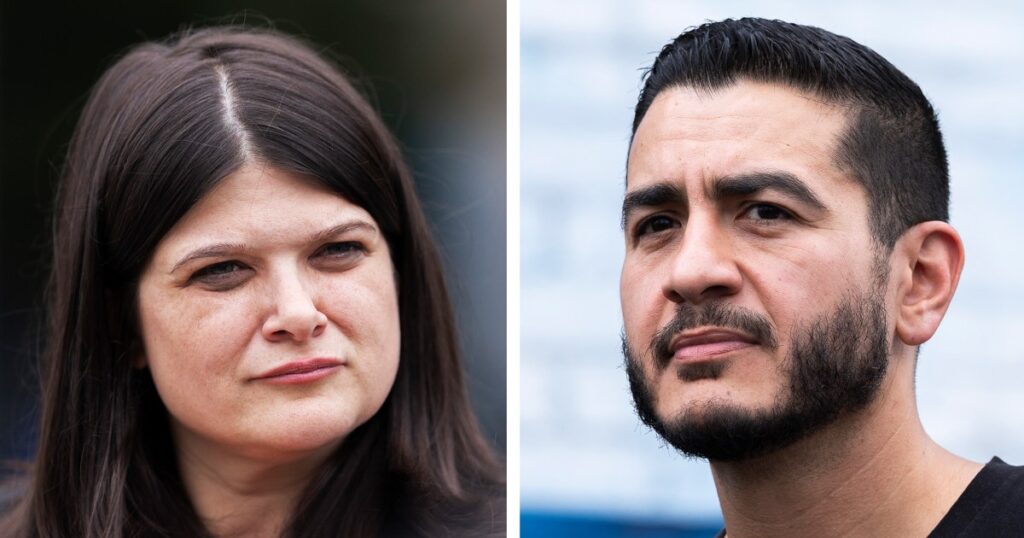
Michigan’s primaries have exposed internal tensions in both major parties, setting up a general election shaped by disagreements over strategy, coalition-building and the direction of state politics. The contests also highlighted the challenge facing candidates who must now appeal beyond their primary bases and unite voters ahead of November.
Among Democrats, Abdul El-Sayed’s victory became a focal point for discussions about the party’s competing factions and priorities. Other coverage examined his political prospects, including whether he could perform strongly in Pontiac in the general election. Michigan Democrats, described as bruised by a divisive primary, have publicly emphasized the need for unity as the campaign moves forward.
The Senate race has also drawn national attention. Kamala Harris endorsed a candidate in Michigan, while Chuck Schumer and his mother were part of separate coverage surrounding the contest and its political dynamics. Those developments underscored the role of national Democratic figures in a race that remains tied to broader questions about the party’s message and organization.
Republicans face their own strategic questions after the primaries. Coverage of Rogers’ effort to appeal to Democrats suggested an attempt to expand the party’s support beyond its traditional base. Together, the developments point to a competitive campaign in which both parties must manage divisions exposed during the primary while seeking support from independent and cross-party voters.