

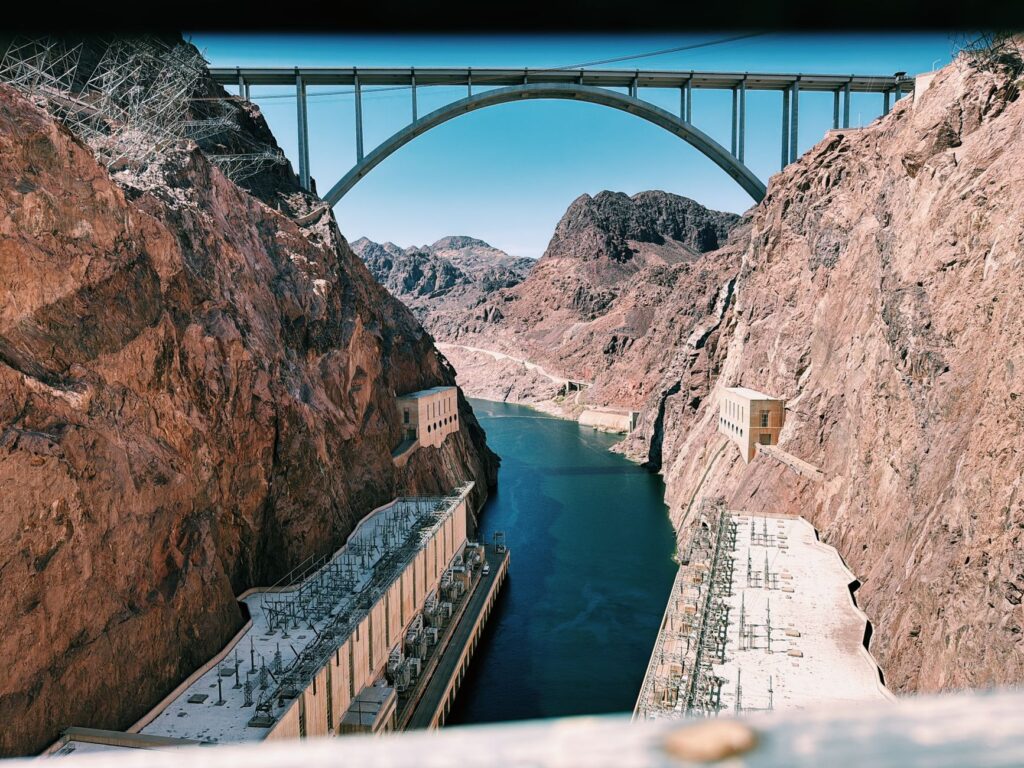
The Colorado River’s declining flows are creating mounting challenges for water users and electricity providers across the Western United States. The river supplies water to communities, farms and industries in several states, while reservoirs on the system support hydropower generation. As available supplies shrink, officials face difficult decisions about how to distribute water and maintain reliable power production.
The federal government has raised the possibility of steep water cuts in the Lower Colorado River Basin as states confront worsening conditions. The warnings reflect concern that existing plans may not adequately address reduced river levels and the growing gap between demand and available supplies. Any reductions would affect states and water users that depend heavily on the river.
Negotiations among the Colorado River states have not produced a broadly accepted solution, increasing the pressure for federal action. Arizona faces what officials have described as potentially devastating consequences, while California is positioned to absorb additional cuts if the states cannot reach an agreement. The dispute highlights the competing needs of different regions and the difficulty of revising long-standing water-sharing arrangements.
The situation also raises concerns for the broader Western power system. Lower reservoir levels can reduce hydropower generation while water shortages place added pressure on communities and agricultural operations. With the river’s future supplies uncertain, states and federal officials are expected to continue weighing conservation measures, reductions in use and changes to the rules governing the basin.