

Just ahead of the season’s usual wave of pumpkin-spice marketing, the FDA has cleared four new flavored oral nicotine pouches from Altria subsidiary Helix Innovations for sale.
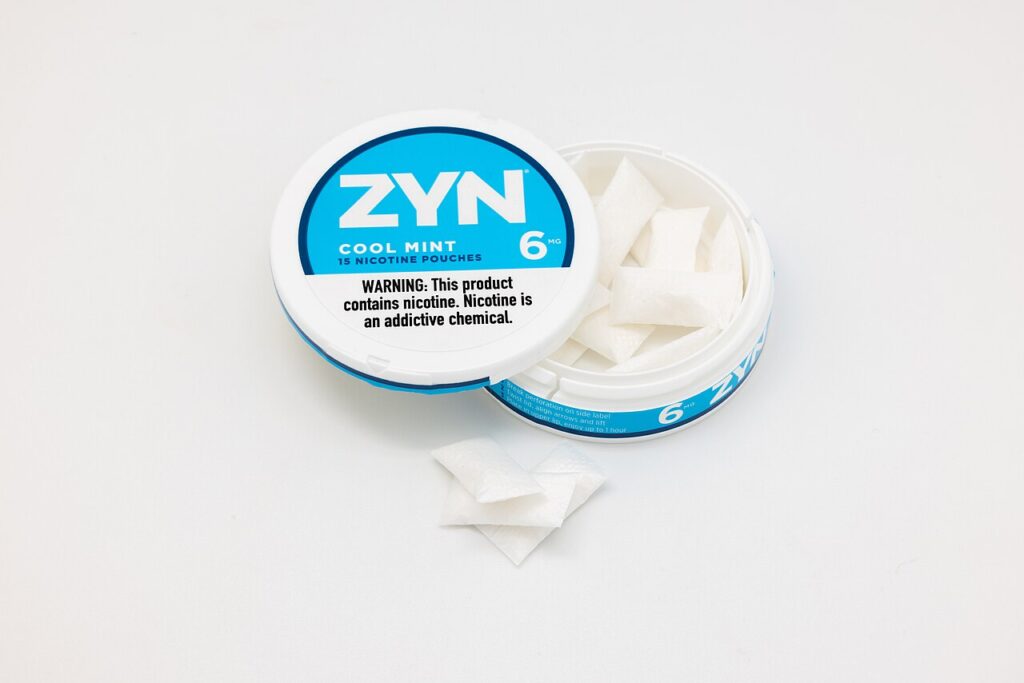
The agency authorized the “on!” brand’s Rich Berry, Cappuccino (in 2 mg and 4 mg strengths) and Autumn Spice pouches, bringing the total number of FDA-authorized nicotine pouches to 30, including products from both Helix and Swedish Match’s competing Zyn brand. The approvals moved through a pilot program the FDA launched last year to streamline review of premarket tobacco applications while, the agency says, maintaining its scientific standards.
The American Lung Association and American Heart Association both criticized the decision, calling it another “gamble” with youth health. Their concern centers on flavor: nicotine pouches are now the second most commonly used tobacco product among middle and high school students, and government survey data has found that more than 90% of underage users choose flavored varieties specifically.
The FDA’s rationale rests on harm reduction: for adult smokers over 21, switching entirely to oral nicotine pouches avoids the combustion byproducts and carcinogens in cigarette smoke. That calculation doesn’t address what happens when flavors like cappuccino and autumn spice end up in a school hallway rather than an adult smoker’s pocket, which is the core of the health groups’ objection, a point some doctors have raised directly with the FDA’s new marketing approach.
Altria has said the pouches are intended for adult nicotine users looking for smoke-free alternatives, and the FDA’s authorization requires marketing restricted to that audience. Whether that restriction holds up against a product now sold at gas station counters under seasonal, coffee-shop-adjacent branding is the question public health advocates say the agency didn’t adequately weigh.