
In international diplomacy, there’s often a fine line between strategic leverage and rhetoric that outpaces the facts on the ground.
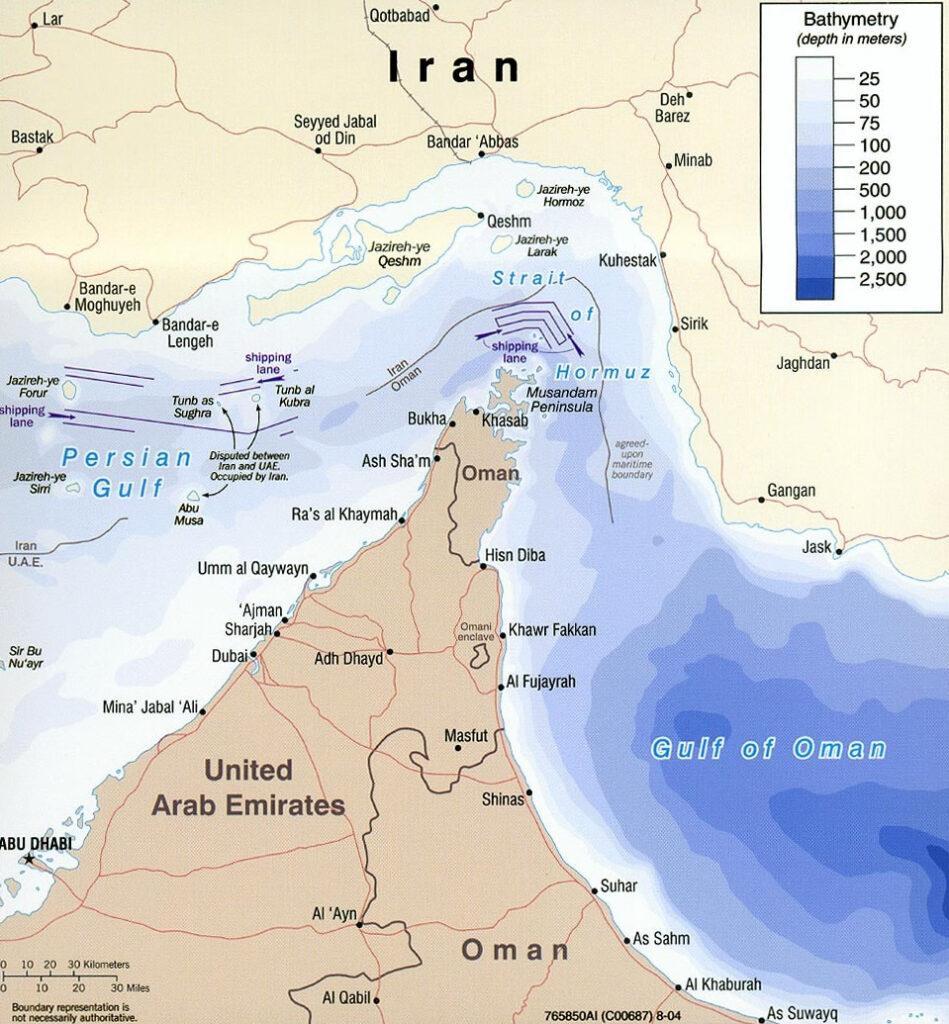
On August 14, 2026, President Trump posted on Truth Social that the United States has “total control” over the Strait of Hormuz, adding in all caps: “I THINK WE WILL KEEP IT.” Tehran’s response was immediate, with officials declaring the chokepoint remains under Iran’s own control and management.
Trump is framing a contested, actively fought-over waterway as something the U.S. can simply hold onto, similar to how a property owner might describe a piece of real estate. Independent military analysts have pushed back on that framing, noting that neither side currently has full, uncontested control of the strait.

The physical reality underneath the rhetoric is stark either way. After months of U.S. and Israeli military action against Iran, shipping traffic through the Strait of Hormuz has collapsed to a fraction of normal levels. The U.S. Energy Information Administration estimates that flows have dropped from roughly 21.6 million barrels per day in late 2025 to around 4.9 million barrels per day now. Tehran has laid out conditions for fully reopening the channel, including lifting sanctions and compensation for war damages.
In other words, regardless of who is technically “in control,” the strait remains functionally choked off. While Washington and Tehran argue over who owns the water, global energy supplies are constrained, fuel prices are climbing, and the practical cost is landing on drivers and businesses far from the Persian Gulf.
Whatever the diplomatic value of the rhetoric, it’s the working-class consumer at the pump who ends up absorbing the difference between the claim and the reality on the water.