
When the federal government considers spending on domestic infrastructure, public education, or healthcare, the process usually involves months of debate about cost and fiscal responsibility. Military hardware losses in an active conflict zone tend to draw far less scrutiny in real time.
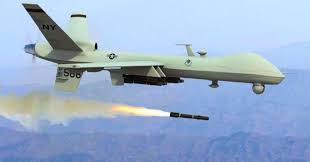
On August 14, 2026, a declassified congressional inquiry reportedly confirmed that after months of hostilities involving Iran and Houthi forces in the Red Sea, the United States military has lost dozens of MQ-9 Reaper drones, a meaningful share of the Pentagon’s operational Reaper fleet.
At a cost of roughly $30 million per drone, losses at that scale translate into well over a billion dollars in hardware, in a conflict that Congress has not formally voted to authorize.

The MQ-9 Reaper, a large, relatively slow-moving surveillance and strike platform, has proven vulnerable to cheaper asymmetric threats, including Houthi drones and shoulder-fired missiles. Replacing each loss keeps defense contractors like General Atomics busy, while the underlying question of who authorized the broader operation gets comparatively little public debate.
The contrast is worth sitting with: national debt and federal spending are treated as urgent, ever-present concerns in domestic policy debates, while military hardware losses in an undeclared conflict draw a fraction of the same scrutiny.
This is one of the recurring tensions of modern defense spending: significant material costs accumulate in conflicts that never go through the formal congressional authorization process, and the bill, one way or another, is ultimately absorbed by taxpayers already dealing with a difficult cost-of-living environment.