

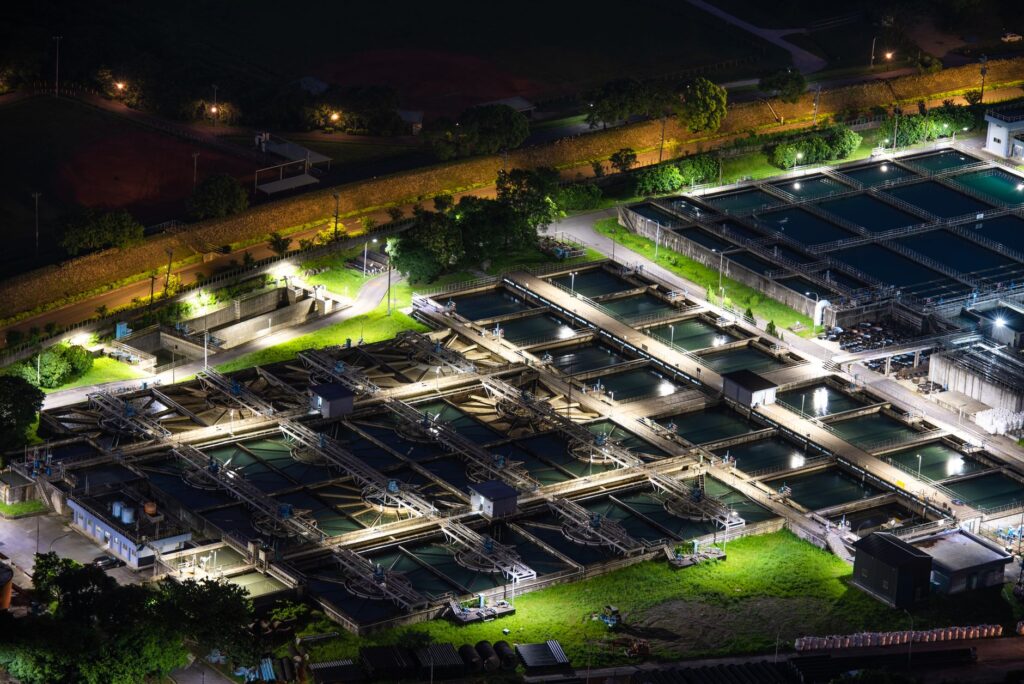
A series of cyberattacks targeting critical water infrastructure across the United States has heightened concerns that international conflicts are expanding into domestic digital domains. Recent security breaches involving public water facilities have been linked to suspected Iranian hackers, raising questions about whether municipal utilities have become a new front in ongoing geopolitical disputes. The intrusions demonstrate how foreign military and geopolitical tensions can directly impact essential civilian services in local communities.
Evidence of these cyber intrusions has surfaced in multiple regions, affecting both small towns and larger municipal systems. In Oregon, unauthorized access was gained to a local drinking water system during recent digital attacks, while a separate incident in a small Minnesota community similarly brought the impact of international conflict to local infrastructure. Following the broader pattern of attacks, local officials, including the mayor of Newport News, announced proactive measures to bolster cybersecurity defenses for local waterworks.
The recent incidents emphasize a broader vulnerability within the public utility sector, where experts have long warned that water systems are particularly ripe for cyber threats. Many facilities rely on digital control systems that may be exposed to foreign threat actors aiming to exploit potential security gaps. As experts continue to issue warnings regarding the susceptibility of public infrastructure, the recent wave of attacks has placed a renewed focus on securing essential utilities against foreign cyber intrusions.
Related Coverage
- Oregon drinking water system accessed in recent cyber attacks
- The Cyberattack That Brought a Distant War to Small-Town Minnesota
- Mayor announces increased cybersecurity for Newport News Waterworks following U.S. cyberattacks
- Water systems are ripe for cyberattacks, experts warn after suspected Iranian hacks