

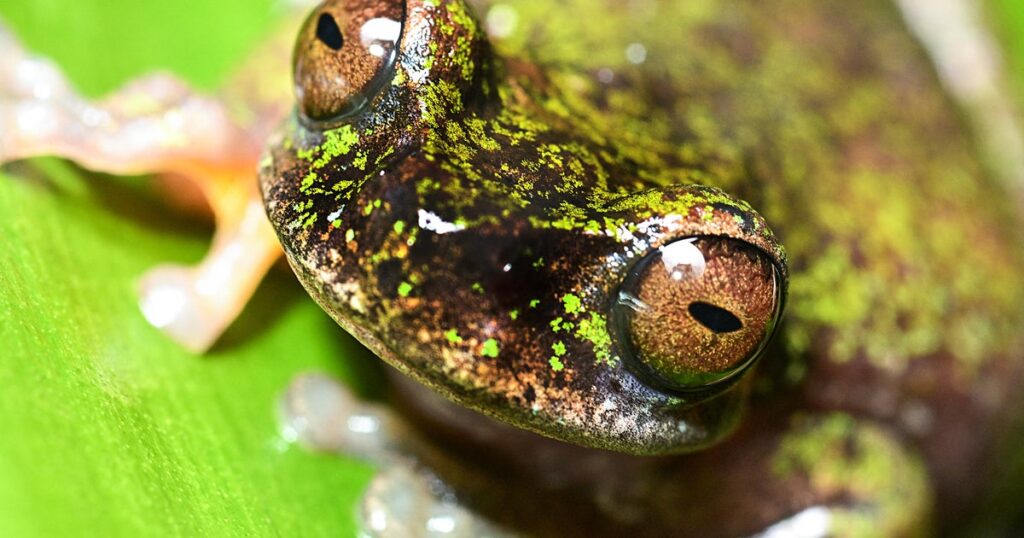
Researchers in Costa Rica have recently identified frogs associated with coffee plantations that are notable for their distinctive calls. The animals, referred to as “coffee frogs,” have been observed singing in plantation environments, adding to the country’s known diversity of amphibian life.
The frogs’ presence in coffee-growing areas highlights the relationship between agricultural landscapes and local wildlife. Their calls may help researchers distinguish the frogs from other species and better understand how they use plantation habitats, although details about their behavior and distribution remain limited.
Pesticide use poses a potential threat to the frogs and other organisms living in and around plantations. Chemicals applied to crops can affect amphibians directly or alter the insects, water sources and vegetation they depend on. The discovery has therefore drawn attention to the importance of considering wildlife protection alongside agricultural production in Costa Rica.