

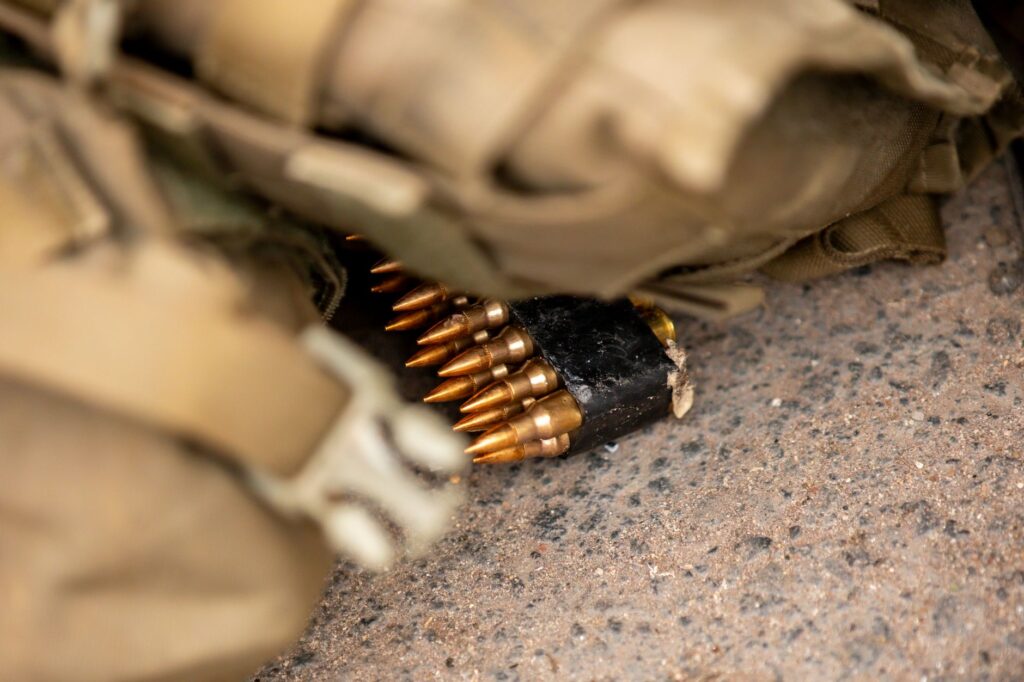
President Donald Trump has denied reports that the United States is facing a shortage of munitions, amid coverage suggesting that depleted weapons stocks could affect the country’s military options and its position in negotiations involving Iran. The reports have raised questions about the condition of U.S. reserves and the ability to sustain operations if demand increases.
Trump reacted angrily to the accounts and rejected what he described as inaccurate or misleading reporting. Coverage has also linked his response to reports concerning Defense Secretary Pete Hegseth and to criticism of The Washington Post, which Trump has accused of publishing “fake news.” The available reports do not establish the full substance or accuracy of the allegations surrounding Hegseth.
Trump said that people responsible for leaking sensitive information should face severe consequences, including possible imprisonment. His comments underscored the administration’s concern that disclosures about weapons inventories could weaken the United States’ position abroad, particularly in discussions involving Iran.
The dispute has prompted broader attention to the Pentagon’s management of munitions and to whether internal assessments differ from the administration’s public statements. Reports have described a crisis meeting at the Defense Department following an angry call from Trump, although details about the meeting, the extent of any shortfall and its potential operational impact have not been fully established.
Related Coverage
- Trump grows angry over reports on depleted munitions — believing it weakens him in Iran negotiations
- How the U.S. Squandered Its Strategic Advantage
- 'Treasonous': Trump rejects rumors about Hegseth, blasts Washington Post as 'fake news'
- Pentagon holds crisis meeting on weapons shortfall after angry Trump call, sources say