


The recent, staggered release of documents and emails related to the late convicted sex offender Jeffrey Epstein has exploded into a major political crisis, putting President Donald Trump back at the center of a long-simmering scandal. The controversy, fueled by selective leaks and political pressure, has exposed vulnerabilities within the Republican party and raised crucial questions about who controls the flow of information in Washington.
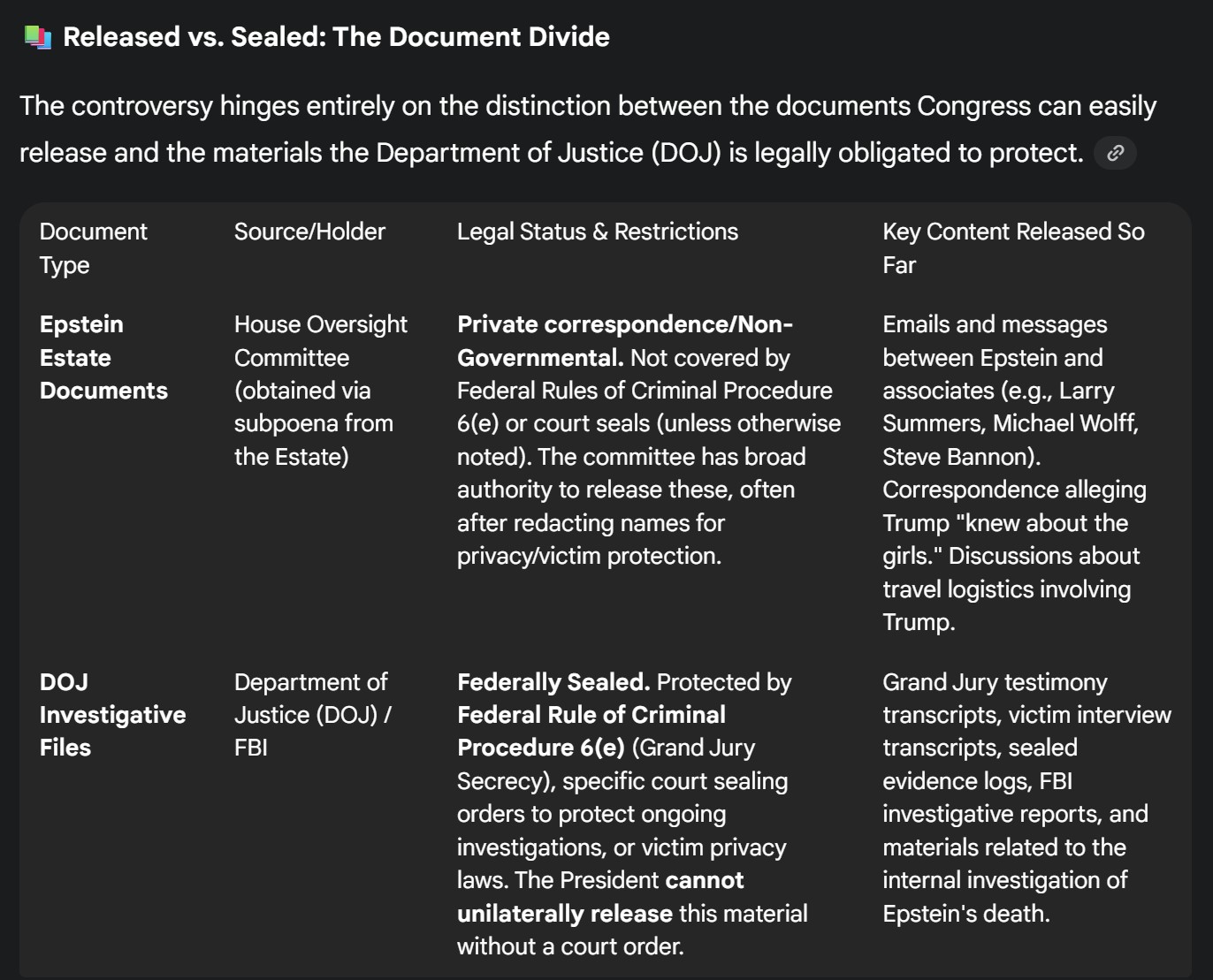
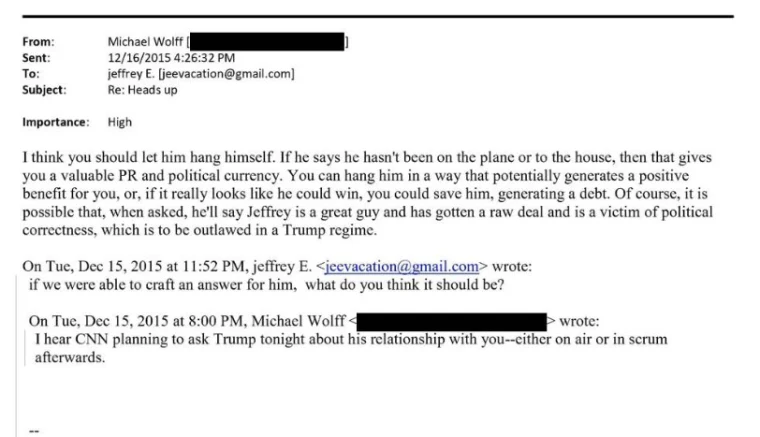
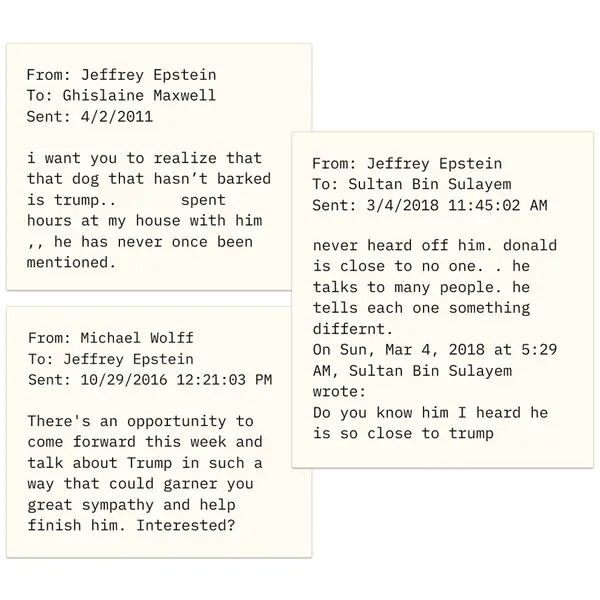
The release of thousands of pages of documents, primarily orchestrated by the House Oversight Committee, comes in two waves: initial selective leaks by Democrats, including bombshell emails suggesting Epstein claimed Trump “knew about the girls,” followed by a larger tranche of documents released by the Republican majority. The documents reveal Epstein associates tracked Trump’s movements and include disparaging private comments about the President from the late financier.
The DOJ Stance: The DOJ and FBI have conducted exhaustive reviews of their investigative holdings (which contain evidence like child pornography, images, and videos), but stated in July 2025 that they would not be releasing further documents. They cited the legal necessity of protecting victims and the fact that an exhaustive review did not reveal an incriminating “client list” or new evidence that could predicate an investigation against uncharged third parties.

Trump’s Tumultuous History and the Release U-Turn

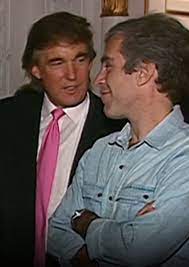
Donald Trump’s association with Jeffrey Epstein dates back to the 1990s and early 2000s, where they were known to socialize. Trump has repeatedly sought to distance himself from Epstein, claiming he banned him from Mar-a-Lago years ago after learning about his “behavior.”

Jeffrey Epstein and Donald Trump
The current political firestorm focuses less on the past friendship and more on the handling of federal records by the current administration.
The Contradiction: Refusal, Pressure, and the Vote Demand
For months, the Trump administration and the Justice Department (DOJ) were accused of stonewalling, resisting demands to release the full cache of files related to the federal investigation into Epstein. The official stance cited reasons like ongoing investigation details and the protection of court-sealed materials, particularly grand jury information (protected by Federal Rule of Criminal Procedure 6(e)) and victim privacy.
However, as a bipartisan push, driven by figures like Representative Thomas Massie (R) and Ro Khanna (D), neared the threshold for a discharge petition to force a House vote on the disclosure of the DOJ files, Trump made an abrupt U-turn.
On Truth Social, he publicly urged House Republicans to vote to release the Epstein files, claiming, “we have nothing to hide.”
The Lying Question: Can the President Release the Files Himself?
This is the core of the political accusation: Yes, the President likely holds the ultimate authority over the executive branch and could direct the Justice Department and the FBI to declassify and release documents not explicitly protected by statute (like grand jury secrecy).
Critics, including some Democrats on the Oversight Committee, point out that Trump’s sudden call for Congress to vote on the release is a clear deflection. They argue that if he truly wanted transparency, he would simply order the DOJ to unseal and release the materials immediately, making his call for a vote appear as a political tactic to manage the narrative and claim credit for transparency that was being forced upon him.
🏛️ The Previous Administration: Could Biden Have Released the Files?
The question often raised by Republicans is: “Why didn’t the Democrats and President Joe Biden release the files when they were in power?”

Jeffrey Epstein with Bill Gates
While President Biden was in office from 2021 to January 2025, the legal and procedural hurdles for releasing the specific DOJ-held files remained significant:
- Grand Jury Secrecy (Rule 6(e)): A large portion of the highly sensitive federal investigation material is protected by law to protect the integrity of the process. This cannot be unilaterally released by any President. It requires a court order.
- Victim Protection: Releasing files that name victims or cooperating witnesses could violate confidentiality agreements or put individuals at risk, which the DOJ is legally bound to prevent.
- Ongoing/Related Litigation: Files could be sealed by court order related to active civil lawsuits or ongoing criminal proceedings, which the Executive Branch cannot simply ignore.
While a President could have directed the DOJ to ask the courts to unseal some files (a lengthy legal process), the ability to perform an immediate, blanket “data dump” of all sealed federal files was not legally possible for either President Biden or President Trump. The files being released now by Congress are largely private correspondence obtained via subpoena from the Epstein estate, which carries fewer legal restrictions than the DOJ’s sealed investigative materials.
The theory that the Biden administration or Congressional Democrats feared the release due to the inclusion of Democrats is a significant driver of the current political debate, though the specific names mentioned in the recently released emails include figures associated with both parties.
🔥 Trump vs. Marjorie Taylor Greene: The Feud Explodes
The tension over the Epstein files has shattered the alliance between President Trump and one of his most fervent supporters, Representative Marjorie Taylor Greene (R-GA).

Greene, aligning with the populist, “Drain the Swamp” wing of the MAGA base, has been a vocal proponent of releasing the files, arguing for full transparency to expose the “elite.” She was one of the Republicans who signed the discharge petition, forcing the House vote, directly challenging the White House’s initial resistance.
In response, Trump publicly launched a blistering attack on Greene on Truth Social, branding her a “ranting lunatic,” and withdrawing his endorsement for her, effectively declaring political war. This dramatic feud underscores how deeply the Epstein file issue has divided the Republican party, pitting the President’s personal defense against the transparency demands of his own base.
Why did President Trump suddenly call for a vote to release the Epstein files?
After months of his administration resisting pressure to release the federal files, President Trump abruptly called for Congress to vote to release the documents when a bipartisan coalition neared the threshold for a discharge petition to force a vote. Critics allege this was a political deflection to manage the narrative and claim credit for transparency that was being forced upon him, rather than using his executive authority to order the DOJ to release what files they legally could.
Why is Trump’s call for a Congressional vote potentially misleading?
The President could potentially order the DOJ to declassify and release documents not protected by specific statute. By demanding a Congressional vote on the issue, which is a complicated and slower process, critics argue he is avoiding direct responsibility for using the full scope of his executive power to maximize transparency.
Could President Joe Biden have released the sealed DOJ Epstein files?
No. Neither President Biden nor President Trump can unilaterally release the most sensitive parts of the DOJ’s investigative files, such as Grand Jury transcripts (protected by Federal Rule of Criminal Procedure 6(e)). Releasing this material requires a specific court order, making an immediate “data dump” legally impossible for any sitting President.
What is the cause of the feud between Trump and Marjorie Taylor Greene?
The feud exploded because Representative Marjorie Taylor Greene publicly supported the push for the immediate, full release of the Epstein files, arguing for “full transparency” in alignment with the MAGA base’s anti-elite sentiment. This stance directly challenged the Trump administration’s initial resistance and subsequent attempt to control the release narrative, leading Trump to publicly withdraw his endorsement and label her a “ranting lunatic.”
What legal reason prevents the release of the most sensitive Epstein files?
The primary legal barrier is Grand Jury Secrecy, protected by Rule 6(e) of the Federal Rules of Criminal Procedure, which shields materials like testimony transcripts to safeguard the integrity of the judicial process. Other legal reasons include court-imposed seals on evidence, protection of victims’ privacy, and the protection of ongoing investigations.
Related from BeezLoop: Kristi Noem Filed for Divorce After 34 Years, Pixel Phones Keep Failing at the Card Reader and A Judge Blocked Mamdani’s Second-Home Tax Rollout.