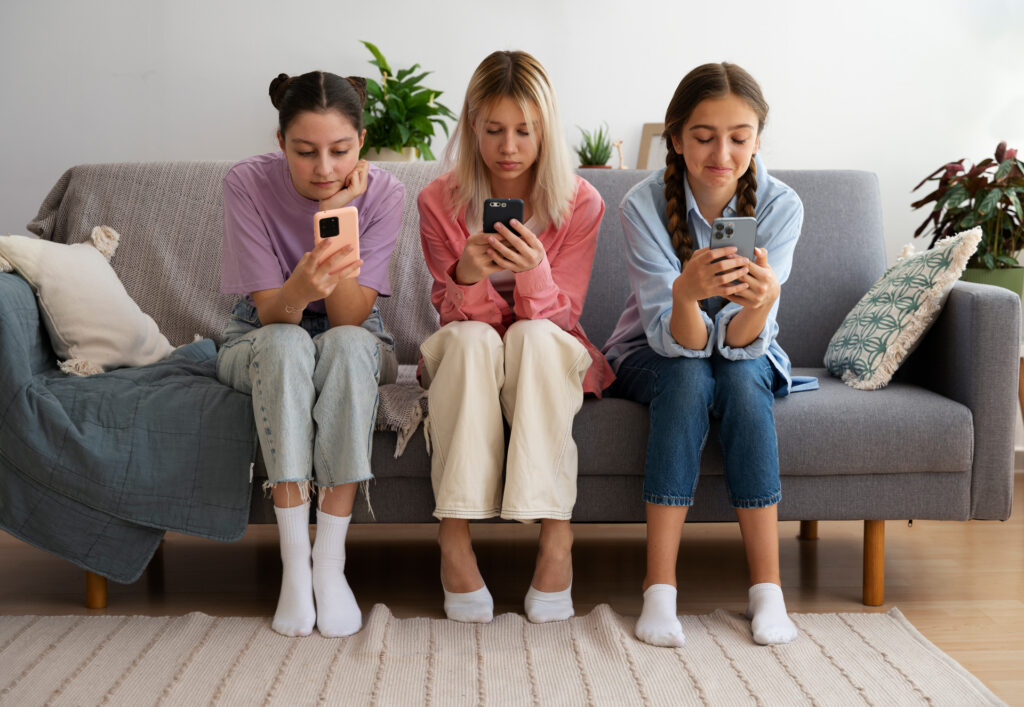
Social media has become an integral part of our lives. We use it to stay connected with friends and family, to share our thoughts and experiences, and to learn about the world around us. But what is the impact of social media on our mental health?
There is a growing body of research that suggests that social media can have a negative impact on mental health. For example, one study found that people who use social media more often are more likely to experience symptoms of depression and anxiety. Another study found that social media use can lead to decreased self-esteem and body image issues.
How Social Media Can Harm Mental Health

There are a number of reasons why social media can be harmful to mental health. First, social media can be a breeding ground for comparison. When we see other people’s carefully curated posts, it can be easy to compare ourselves to them and feel inadequate. This can lead to feelings of low self-esteem and anxiety.
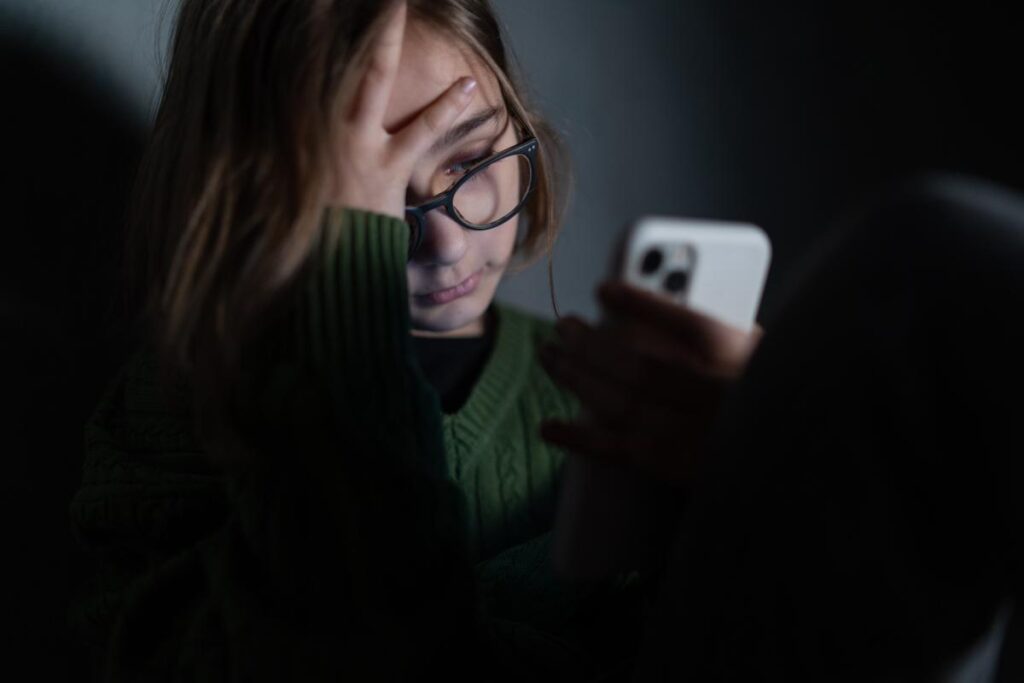
Second, social media can be addictive. The constant stream of notifications and updates can be hard to resist, and it can be easy to spend hours scrolling through our feeds. This can lead to problems such as sleep deprivation, decreased productivity, and social isolation.
Third, social media can be a source of cyberbullying. Cyberbullying is when someone uses social media to harass or bully another person. This can have a devastating impact on the victim’s mental health.
How to Use Social Media in a Healthy Way
Of course, not everyone who uses social media experiences negative consequences. For some people, social media can be a positive outlet. It can help them connect with friends and family, learn about new things, and express themselves creatively.
However, it is important to be aware of the potential risks of social media use. If you find that social media is having a negative impact on your mental health, it is important to take steps to reduce your use. You can also talk to a therapist or counselor about how to manage your social media use in a healthy way.
Here are some tips for using social media in a healthy way:
- Set limits on your social media use. Decide how much time you want to spend on social media each day, and stick to it.
- Be mindful of what you are consuming. Pay attention to the types of posts that you are seeing, and avoid following accounts that make you feel bad about yourself.
- Take breaks from social media. If you find yourself feeling overwhelmed or anxious, take a break from social media for a few hours or even a few days.
- Talk to someone you trust. If you are struggling with the negative effects of social media, talk to a friend, family member, or therapist.
Social media can be a powerful tool, but it is important to use it in a healthy way. By following these tips, you can reduce the risk of negative consequences and enjoy the benefits of social media without harming your mental health.
Related from BeezLoop: What Anxiety Rings Actually Do (and What They Don't), Sailors Attempt to Jump From USS Abraham Lincoln After Record 260-Day Deployment and The Science on Teen Social Media and Mental Health Isn’t as Settled as the Bans Suggest.