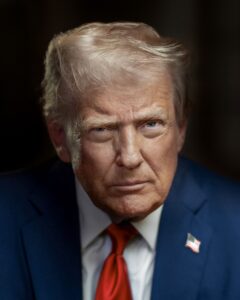

President Trump signed an executive order Friday that tells every company holding a federal contract to alert the White House as soon as Congress asks it for information about its government work, and to follow the White House’s instructions on what to hold back. Companies that don’t comply could lose their contracts, the order says.
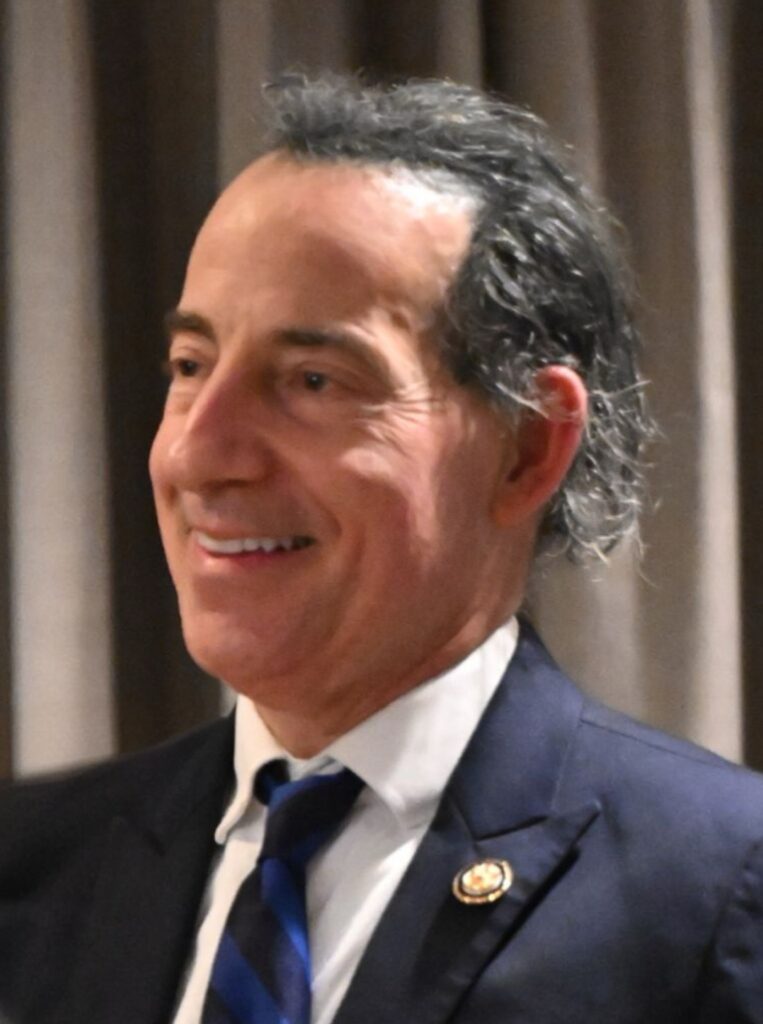
It lands six weeks before Democrats take control of the House in January with plans to investigate the administration. Rep. Jamie Raskin of Maryland, who’s expected to chair the House Judiciary Committee, called it “totally unprecedented and blatantly unlawful,” MS NOW reported. House Republicans, now headed for the minority, have already picked Jim Jordan as their next leader.
What does Trump’s executive order on federal contractors require?
The order, titled “Protecting the Executive’s Privileges and Enhancing Efficiencies in Federal Contracting,” has three main pieces:

- Tell us first. Contractors must “immediately” notify the White House and their contracting agency of “any pending or future congressional request” about their work with the executive branch.
- Follow our lead. They must abide by White House instructions on withholding communications the White House or the agency decides are covered by executive privilege. Subcontractors are covered too.
- Or else. Agencies are told to consider canceling contracts and suspending or barring companies from future federal work if they don’t comply. There are no fines or criminal penalties.
That’s a lot of companies. About 100,000 businesses hold federal contracts, plus their subcontractors, ABC News reported, citing Bloomberg Government. Think defense manufacturers, IT firms, consultants, construction outfits and the companies that run call centers for federal programs.

Why did Trump sign it now?
The White House argues Congress’s reach is limited. Congress “cannot seek information from executive branch departments and agencies (agencies), employees, or Federal contractors without a valid legislative purpose that does not intrude on core Executive functions,” the order says. It warns that “certain congressional leaders have threatened to intrude on these Executive prerogatives.” A White House fact sheet accuses lawmakers of “harassing private companies that contract with the federal government.”
It’s the second move in a week. White House counsel Will Scharf earlier told agencies to get White House permission before letting employees testify before Congress, ABC News reported. Rep. Robert Garcia of California, expected to lead the House Oversight Committee, called the contractor order a “blatant attack on Congress’ constitutional right to conduct oversight” and asked, “What is the White House trying to hide?”
Can a president stop contractors from talking to Congress?
That’s unsettled, and it’s likely headed to court. Executive privilege has traditionally covered a president’s own deliberations, not a private company’s records. MS NOW noted the order appears to build on an August Justice Department opinion arguing that privilege can extend to third parties, a claim that’s disputed. The order itself says it doesn’t create any legal right enforceable in court, but it puts contractors in a bind: a congressional subpoena on one side, the threat of losing their biggest customer on the other.
“Public contractors have both a duty and a right to speak truthfully when Congress calls,” Raskin said.
The BeezLoop Take
Every president fights Congress over documents. What’s new here is using the federal checkbook as the weapon. A company that answers a lawful subpoena could lose its contracts, and most won’t risk that. The practical effect is to make private firms the first line of defense against oversight of how taxpayer money gets spent.
If the order stands, a contractor that overbilled the government or cut safety corners could cite White House instructions and stay quiet. Who would that protect, the president or the contractor?
Sources: The White House (executive order) · White House fact sheet · ABC News · MS NOW · WQAD News 8 (video)