
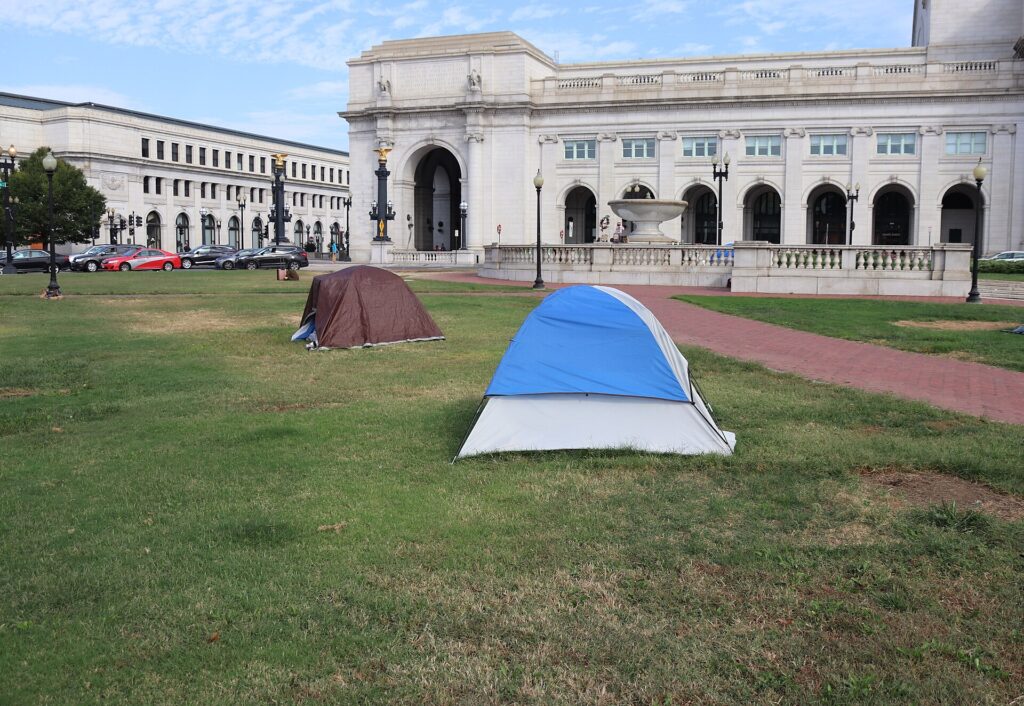
Homelessness in the U.S. fell for the second year in a row. On a single night in January, 698,425 people were homeless, according to figures HUD released Friday. That’s a 6.3% drop, which HUD calls the largest decrease on record. NPR puts the drop at roughly 49,000 people, the biggest in more than a decade.
It’s real progress, and it’s still nearly 700,000 people, far more than before the pandemic. The bigger fight is over why it happened, because the answer decides where billions of federal dollars go next.

Why did homelessness go down?
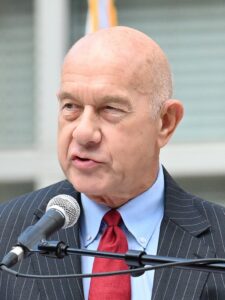
Depends who you ask. HUD Secretary Scott Turner credits the president. “President Trump’s actions to secure the border, get criminal illegals off our streets, and restore safety to our communities drove a historic decrease in homelessness,” he said. HUD also points to a Supreme Court ruling that lets cities limit encampments and to its shift from “Housing First,” which offers housing without preconditions, to “Treatment First,” which ties help to addiction treatment.

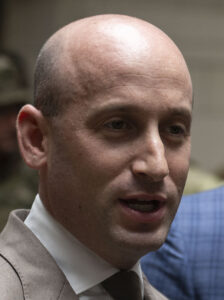
Part of that holds up. Shelters in New York, Chicago, Boston and Denver filled with asylum seekers during the recent surge, and Devon Kurtz of the Cicero Institute, an administration ally, told NPR those four cities drove half of the most recent drop. Fewer new arrivals means fewer people in shelters.
The National Alliance to End Homelessness ran its own analysis of the same count and found a similar decline but different reasons. CEO Ann Oliva credited programs Congress funds and falling rents. “It’s good news that more people are getting housed, and that the programs that are funded by Congress are working,” she said. Her group found that cities with encampment bans actually did worse than the national average. Rents are down from their pandemic peaks, even as overall inflation climbed to 3.7% in September, and hiring picked up in October.

Who is still being left behind?
Veterans are the clearest success. Veteran homelessness fell more than 7% last year and is down nearly 60% since 2010. That’s the group with the most permanent housing vouchers, which is Oliva’s point: “Investments in programs like that are much closer to the scale of need for veterans than for any other population.” The exception is chronic homelessness, people homeless for a long time, often with disabilities or addiction. It ticked up while other groups fell.
One caveat: HUD hadn’t posted its detailed report when it announced the numbers, so the breakdown by state and city isn’t public yet. HUD’s plan to move several billion dollars into short-term housing with mandatory treatment has so far been blocked by courts.
The BeezLoop Take
Fewer people on the street is good news, full stop. But the administration is crediting a policy that hasn’t really taken effect. Treatment First is still tied up in court, while the programs it wants to dismantle are the ones that cut veteran homelessness by almost 60%.
The border argument isn’t nonsense either. Shelter numbers in a few big cities were swollen by migrants, and that surge has ended. Honest credit goes to several causes, not just the ones that fit a press release.
The open question: if chronic homelessness is the one number going the wrong way, why cut the long-term housing that has worked best for the people in that group?
Sources: HUD · NPR via WUGA · National Alliance to End Homelessness · One America News (video)