
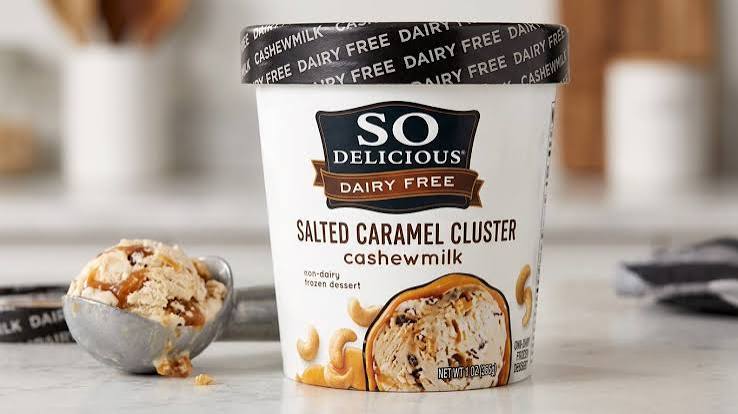
The FDA posted a September 15 recall of So Delicious Dairy Free Salted Caramel Cluster Non-Dairy Frozen Dessert pints after Danone USA said the product may contain small stones and other hard objects inside the cashew inclusions.
The short answer: less than the word suggests, and almost none of it is automatic. “Voluntary” describes who started the recall, not how serious it is. The protection it offers depends entirely on whether you happen to see the notice, because nothing in the system reaches out to the person who already bought the product and put it in the freezer. Here is what to check, and why the gap exists.
The recall covers pints with UPC 744473476138 and SKU 136603, with best-by dates on and before April 3, 2028, distributed to retail stores throughout the United States. The FDA notice says the issue was identified through consumer complaints. Consumers can reach the So Delicious consumer care line at 1-833-367-8975 (Monday to Friday, 9 a.m. to 6 p.m. ET) for a replacement coupon or refund.

One detail worth flagging, because it shows why the primary source matters: several outlets reported the best-by date as August 8, 2027. The FDA notice says on and before April 3, 2028. If you are checking your freezer, check against the FDA notice, not a summary of it.
We read “voluntary recall” and move on. The phrase does not mean the product is safe, and it does not mean the government considers the problem unimportant. It describes who initiated the action, not how serious it is. Most food recalls in the United States are company-initiated; the FDA posts the announcement as a public service.
The harder problem is not the manufacturing defect. It is information.
The human cost: recalls only work if people hear about them
A recall protects someone only if that person learns about it and can identify the product. That is harder than it sounds. Food moves through stores, households, freezers, lunch bags and pantries. Receipts disappear. Packaging gets thrown out. Someone may remember a brand but not a SKU or a best-by date.
So food safety is partly a communications problem. The manufacturing issue may be found inside a company or reported by a customer who bit into a stone, but the public-facing question is different: how quickly can an ordinary person determine whether something already in their home is affected? Nobody receives a notification because they bought a pint of frozen dessert three weeks ago.
Precision cuts both ways here. The FDA notice is explicit that no other So Delicious codes, flavors or products are affected by this recall. Broad warnings create unnecessary fear and waste; vague ones leave people exposed.
The BeezLoop Take
Consumers should not have to become food-safety investigators to protect themselves. Companies and regulators cannot prevent every manufacturing problem, but they can make recall information far easier to find, understand and act on.
The right response to a recall is neither panic nor dismissal. It is verification: match the product name, size, UPC and date against the official notice, then follow the instructions.
Where we aren’t convinced: we don’t know how many people who bought this product will ever see the notice, and neither does anyone else, because that outcome isn’t systematically measured. Judging whether the recall system works requires knowing how many affected households it actually reached. That number does not exist publicly.
The open question
When a product safety problem is discovered, is publishing a recall enough, or should companies and retailers be expected to do more to directly reach consumers who may already have the product at home? Loyalty-card data already lets a grocery chain know exactly who bought it.
What happens next
Watch for additional product codes, retailer notices, and any update from the FDA or Danone. For this recall, the official FDA notice is the source to check a product against, not a social-media summary, which in this case got the date wrong.
The accountability gap here has a close cousin in technology, where responsibility for an automated decision fragments across the developer, the deployer and the person who acted on the output. In both cases the question is the same: when a system fails, who is left holding it?