
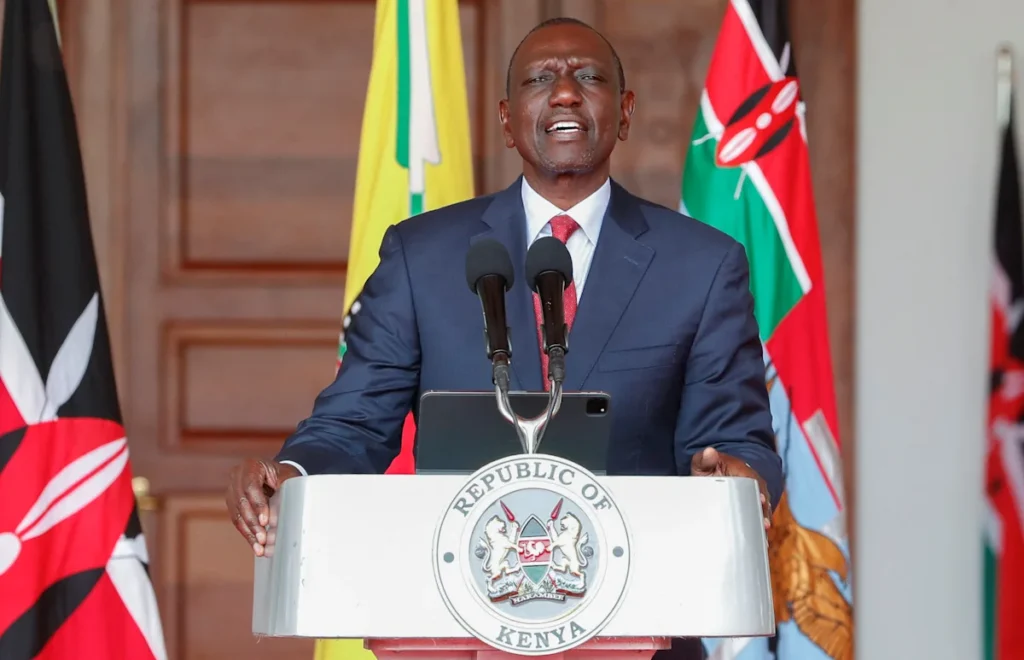
Kenyan President William Ruto ordered foreign nationals engaged in small-scale hawking and retail trade to stop operating, directing enforcement that began September 7 against street vendors his government says are competing unfairly with Kenyan citizens for low-income jobs.
Ruto issued the directive after meeting representatives of Kenya’s micro, small and medium enterprises at State House in Nairobi, saying he had received complaints that some foreign nationals were selling goods such as duvets and household items in markets traditionally reserved for local traders. He said a bill already before Kenya’s Parliament would formally restrict foreigners from certain categories of small-scale trade.
Who has been affected by the crackdown?
The enforcement effort quickly swept up nationals from neighboring countries, with Burundian traders reporting the sharpest anxiety. Hundreds of Burundian nationals gathered outside their embassy in Nairobi seeking travel documents and clarity on their legal status after reports emerged of harassment and pressure to shut down businesses. Kenya’s Principal Secretary for Foreign Affairs, Korir Sing’oei, issued a public apology to Burundian nationals for the harassment some had experienced during the confusion.

Facing criticism over the abrupt rollout, Ruto later softened the directive, giving foreign nationals operating small businesses a 90-day window to regularize their immigration status, work permits and business registration rather than face immediate closure. Government officials described the grace period as an attempt to balance enforcement with due process while the underlying legislation makes its way through Parliament.
Critics have questioned the timing and framing of the crackdown, noting that Ruto has positioned himself as a champion of pan-African economic integration and free movement across the continent even as his government singles out foreign small traders for restriction. Commentators in Kenyan media have argued the move distracts from persistently high youth unemployment that Ruto’s administration has struggled to address through other job-creation programs.
The bill restricting foreign participation in small-scale trade remains under parliamentary review, and its final scope, including which nationalities or trade categories it will cover, has not yet been settled. Diplomatic missions for several East African nations said they are monitoring the legislation and pressing Kenyan officials for guarantees that their citizens already operating legally will not be swept up in future enforcement.
Sources: Citizen Digital · Daily Nation · TNX Africa
Related from BeezLoop: US and China Discuss Tariff Cuts on Energy, Farm Goods Ahead of Trump-Xi Summit, Senators Introduce Bill to Force Refunds of Trump's Illegal Tariffs and Trump Threatens to Halt Trade With Deficit Countries Unless the Fed Cuts Rates.