

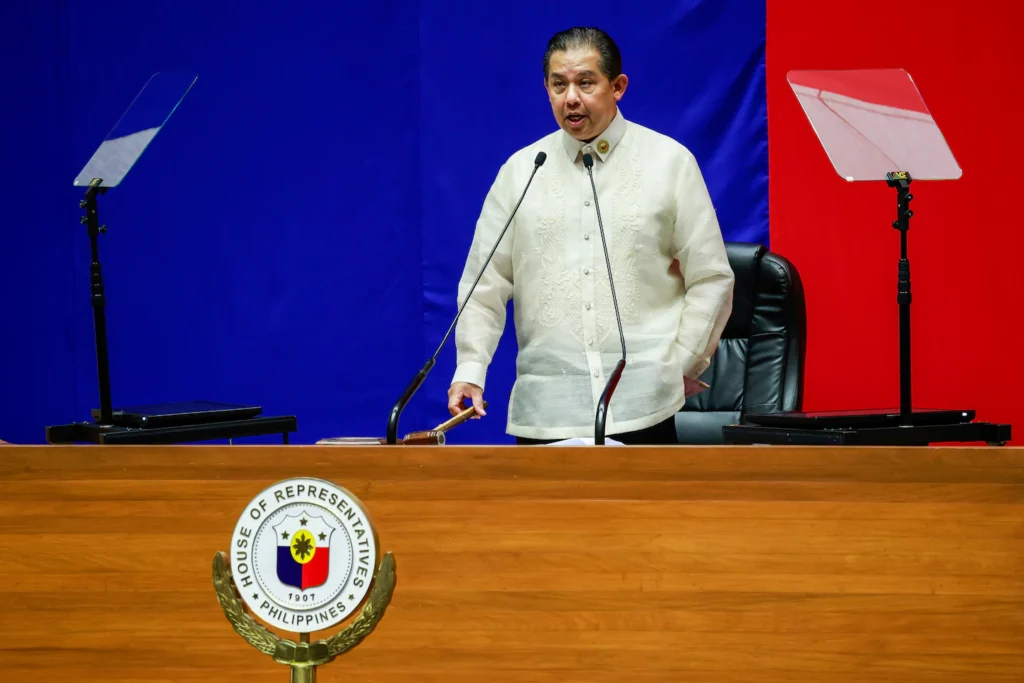
The Philippines’ Office of the Ombudsman filed a plunder complaint on September 7 against former House Speaker Martin Romualdez, accusing him and three co-respondents of amassing at least 7.4 billion pesos, or roughly 130 million dollars, through kickbacks tied to flood-control construction projects.
Investigators allege that Romualdez and fugitive former lawmaker Zaldy Co repeatedly received commissions, shares and other financial benefits from contractors and businesses seeking government infrastructure work funded under national budgets between 2022 and 2025. The complaint names Romualdez’s personal assistant, Joselyn Tragua Serenio, and Felicito Cristobal Guevarra, president of a foreign exchange firm, as additional respondents.
How serious are the allegations against Romualdez?
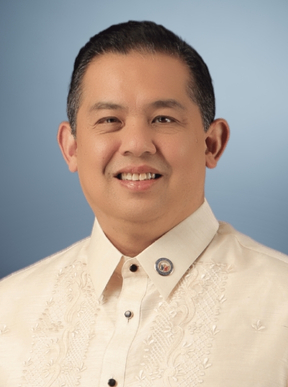
Plunder is one of the most severe charges available under Philippine law, reserved for public officials accused of accumulating ill-gotten wealth worth at least 50 million pesos through a pattern of criminal acts. A conviction carries a maximum sentence of life imprisonment and permanent disqualification from holding public office. Romualdez, a cousin of President Ferdinand Marcos Jr., has denied wrongdoing and said recantations by witnesses have weakened the case against him.

The complaint grows out of a broader corruption scandal involving billions of pesos in flood-control contracts that Philippine officials say were routinely overpriced or left unfinished despite public payment. Congressional hearings earlier this year exposed testimony from contractors describing a system of kickbacks paid to secure and continue receiving government infrastructure work, prompting the Ombudsman’s office to open multiple parallel investigations into lawmakers and officials.
Malacanang, the office of the president, said it respects the Ombudsman’s decision to file the case and will not interfere with the legal process, a notable statement given Romualdez’s family ties to Marcos. The former speaker resigned from his House leadership post earlier this year amid mounting pressure over the flood-control allegations, though he remains the elected representative for Leyte’s first district.
The case now moves to a preliminary investigation, during which respondents can submit counter-affidavits before the Ombudsman decides whether to file formal charges in the Sandiganbayan, the special anti-graft court that handles cases against senior officials. Legal analysts in Manila say the proceeding could take months, and Romualdez’s legal team has signaled it will contest the evidence at every stage.
Sources: Bloomberg · The Philippine Star · The Washington Times
Related from BeezLoop: Philippines Flooding and Landslides Kill 19, Leave 4 Missing, Fire Aboard Philippine Ferry MV June Aster Off Coron, Palawan Leaves at Least 5 Dead and… and Sara Duterte Impeachment Trial Reaches Day 22 as Senator Raises Alias Questions Over….